

TMU
Owner
Tarbiat Modares University (TMU) is the owner of HEHP.

0.8
Cite Score 2025
Volume 14, Issue 1 (2026)
Health Educ Health Promot 2026, 14(1): 157-164 |
Back to browse issues page
Article Type:




History
Received: 2026/06/2 | Accepted: 2026/01/29 | Published: 2026/01/29
Received: 2026/06/2 | Accepted: 2026/01/29 | Published: 2026/01/29
How to cite this article
Abdipour N, Rakhshanderou S, Ghaffari M. Technology Attitude among Iranian Older Adults. Health Educ Health Promot 2026; 14 (1) :157-164
URL: http://hehp.daneshafarand.org/article-4-85683-en.html
URL: http://hehp.daneshafarand.org/article-4-85683-en.html
Download citation:
BibTeX | RIS | EndNote | Medlars | ProCite | Reference Manager | RefWorks
Send citation to:


Rights and permissions
BibTeX | RIS | EndNote | Medlars | ProCite | Reference Manager | RefWorks
Send citation to:


1- Department of Public Health, Faculty of Public Health & Safety, Shahid Beheshti University of Medical Sciences, Tehran, Iran
Keywords:
| Abstract (HTML) (2344 Views)
Full-Text: (150 Views)
Introduction
In the era of global aging, digital technology is increasingly recognized as a promising tool for addressing many challenges associated with aging, including declining physical and cognitive functions, multimorbidity, and changes in social networks [1]. One domain that seeks to respond to these challenges is gerontechnology, an interdisciplinary field that applies technology to support older adults’ needs and enhance their quality of life. Within this field, humanoid robots—equipped with artificial intelligence and human-like features—have been identified as future technologies that could support older adults and alleviate pressures in elder care [2].
More broadly, the use of information and communication technologies (ICT), such as computers, the Internet, and mobile phones, has become increasingly common among older adults in many countries [3]. As a result, engagement with online platforms now constitutes an integral part of daily life for many older adults [4]. In particular, mobile technologies offer considerable potential for healthcare applications. Mobile phones have been identified as a means of bridging the traditional digital divide by providing access to underserved populations worldwide, especially in developing countries [5].
Advances in communication technologies—especially Internet-based and mobile technologies—have demonstrated substantial potential for global health education, health monitoring, and the promotion of healthy behaviors [6]. For example, eHealth and mHealth interventions represent technological innovations that can effectively promote physical activity [7]. In addition, assistive technologies for older adult care, including video monitoring, remote health monitoring, sensors, and electronic devices, have been widely recognized for their ability to enhance the provision of care and support independent living [8]. Overall, technologies designed for older adult care aim to monitor, support, or improve daily activities, personal health and safety, mobility, communication, and physical activity [9].
Despite these opportunities, technology adoption among older adults remains uneven. While a substantial proportion of older adults express interest in learning about and using new digital technologies and perceive them as relevant to their daily lives [10], adoption rates remain lower than those observed in the general population, and digital skills are typically lower than those of younger age groups [11]. Consequently, older adults are often subject to negative stereotypes, perceived as less capable of using new technologies because of their age [12]. Such age-related stereotypes are reflected not only in policy and research but also in technology design and in individuals’ decisions to adopt digital tools [10].
Commonly reported barriers to technology use among older adults include negative attitudes, lack of awareness, inappropriate design, high costs, low self-efficacy, limited perceived need, privacy concerns, and trust issues [13, 14]. As a result, older adults who do not engage with computers or Internet-based technologies are unable to benefit from the potential advantages of these technologies [15]. Moreover, late adoption of digital technologies can further impair digital competence, particularly among individuals with misconceptions about technology or limited IT literacy [16]. Against this background of rapid technological development, emerging technologies not only offer new opportunities and conveniences but may also alter behavioral norms and evoke emotional responses such as anxiety, fear, and sadness. These emotional responses have contributed to the emergence of two opposing concepts: technophobia and technophilia [17].
Although technophilia lacks a universally accepted definition [18], it is generally understood as an attraction to and enthusiasm for using technology, particularly new technologies such as personal computers, the Internet, mobile phones, and other digital devices [19, 20]. First introduced in the 1960s [20], technophilia reflects an individual’s overall relationship with technology and influences acceptance, persistence, and perceived outcomes of technology use [21]. Technophilic individuals typically engage positively with most technologies, adopt new tools enthusiastically, and view technological development as a means of improving living conditions and addressing societal challenges [20]. They tend to enjoy using technology, maintain positive attitudes toward adoption, and focus on its personal benefits [22], without fearing broader societal consequences [20].
In contrast, technophobia refers to an irrational fear or anxiety associated with the use of technology [20, 22, 23]. This concept encompasses two dimensions: fear of the societal and environmental impacts of technological advancement, and fear of using technological devices, such as computers and advanced tools [20]. Technophobia is characterized by unpleasant emotions, including anxiety, fear, and aversion to modern technologies such as computers, robots, artificial intelligence, and other digital devices [16, 17]. As a psychological orientation toward technology, technophobia can inhibit the use of technology and limit individuals’ ability to benefit from technological innovations [20, 22]. Technophobic individuals often resist adopting new technologies out of fear, thereby limiting their engagement with digital opportunities [22, 24].
Empirical research on the measurement of technophilia and technophobia remains limited. One notable contribution by Anderberg et al. is the development of a concise instrument to assess attitudes toward technology among older adults in Sweden. This tool captures two dimensions—technophilia and technophobia—using a scoring range from 1 to 5 [21]. Conceptually, individuals’ attitudes toward technology can be positioned along a continuum, ranging from fully positive to fully negative.
Older adults are frequently stereotyped as technophobic, less capable, and less willing to adopt new digital technologies [10]. However, the assumption that technophobia is limited to older populations has long been challenged [20]. In the context of technology use, internalized negative age-related stereotypes—such as the belief that older adults lack sufficient technological skills [12]—may contribute to technophobia, anxiety, and generally negative attitudes toward technology [25, 26]. Older adults without prior computer experience are particularly likely to report concerns and fears related to technology use [27]. Furthermore, age-related declines in sensory and cognitive functioning may increase perceptions of technological complexity and effort, thereby heightening anxiety [12].
Technophobia may have adverse consequences for older adults’ well-being by limiting participation in social and digital activities [3, 25]. Nevertheless, intervention studies targeting older adults have demonstrated that technophobia can be reduced through self-education, mentoring, collaborative learning, and intergenerational support, with self-efficacy increasing as individuals gain hands-on experience with technology [12].
To effectively implement and evaluate technologies for older adults, it is essential to assess their attitudes toward technology, as these attitudes strongly influence acceptance or rejection and, consequently, the effectiveness of technology-based health interventions. This understanding is particularly important given the limited empirical evidence in the global literature. For instance, Mitzner et al. report that gender, prior technology experience, technology efficacy, and self-efficacy significantly influence technology acceptance and predicted long-term use among older adults [15]. Schlomann et al. further emphasize the value of multidimensional measures of views on aging (VoA) in understanding the relationship between aging experiences and technology acceptance [11]. Similarly, Berner et al. report that rural residence, education level, and age influence Internet use among Swedish adults aged 65 and older, highlighting the risk of digital exclusion in an increasingly digital society [28]. Nimrod also identified technophobia as a potential risk factor for reduced online engagement and lower life satisfaction among older adults [29].
Despite the growing adoption of digital technologies among older adults, a substantial knowledge gap remains regarding attitudes toward technology in the Iranian context. Understanding these attitudes is crucial, as negative perceptions—such as technophobia—may hinder engagement with digital activities, limit potential benefits, and adversely affect overall well-being. Given Iran’s rapidly aging population and the increasing integration of digital technologies into social interaction, health management, and everyday life, examining older adults’ attitudes toward technology is both timely and necessary.
This study aimed to investigate and measure older adults’ attitudes toward technology and to examine factors associated with these attitudes among individuals attending comprehensive health centers in Iran.
Instrument and Methods
Design and sample
This cross-sectional study was conducted among 420 older adults affiliated with three headquarters of Shahid Beheshti University of Medical Sciences, which were used as strata in the sampling process.
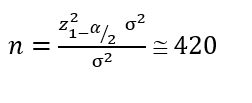
Each headquarters, serving as a central administrative unit, oversees multiple comprehensive health service centers within its geographic area. To determine an appropriate sample size, the standard deviation (σ) was set at 0.4 based on pilot study results. Using a 5% margin of error, a 95% confidence level, and a 10% anticipated dropout rate, the Cochran formula was applied, yielding an estimated sample size of 420 participants.
Participants were recruited using a multi-stage random sampling procedure. In the first stage, three headquarters—North, East, and Shemiranat—overseen by Shahid Beheshti University of Medical Sciences, were selected as strata from the seven existing headquarters in Tehran. These strata included 23, 21, and 8 comprehensive health service centers, respectively. In the second stage, the centers affiliated with each selected headquarters were treated as clusters. A full list of centers for each headquarters was compiled, and each center was assigned a unique ID number. Clusters were then randomly selected by lottery, resulting in 14 selected centers: seven from the North headquarters, five from the East, and two from Shemiranat. In the third stage, the populations served by these centers were identified through the Integrated Health System (SIB). From each center, approximately 30 eligible older adults were selected using systematic random sampling based on their existing medical record numbers and were subsequently enrolled in the study (Figure 1).
Inclusion criteria were willingness to participate, being an Iranian national, age 60 years or older, literacy and the ability to complete the questionnaire, having a household file at a comprehensive health service center, and absence of cognitive impairment at the time of the study. Incomplete questionnaires were considered withdrawals. A total of 25 older adults submitted incomplete questionnaires due to reasons such as rushing, refusal to cooperate, fatigue, or a companion's insistence that they leave the center. These participants were subsequently replaced with an equal number of individuals who met the inclusion criteria.
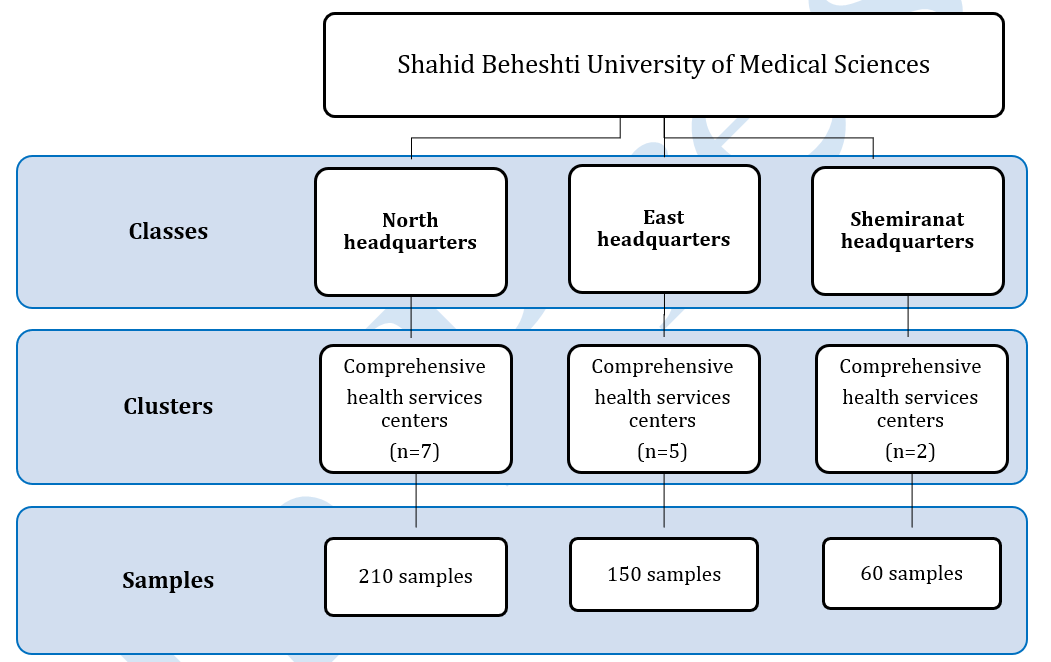
Figure 1. Sampling process flowchart
Instrument
Data were collected using a two-part questionnaire. The first part gathered demographic and background information, including age, gender, education level, marital status, employment status, economic status, number of children, frequency of Internet use, self-assessed technological proficiency, and family structure. The second part employed the TechPH scale, developed and validated in Sweden by Anderberg et al., to assess older adults’ attitudes toward technology. The scale comprised six items and measured two primary dimensions, namely technophilia (items 1–3) and technophobia (items 4–6). The scale demonstrated acceptable internal consistency, with Cronbach’s alpha values of 0.72 and 0.68, respectively. Responses were recorded on a five-point Likert scale ranging from 1 (strongly disagree) to 5 (strongly agree), with technophobia items reverse-scored [21]. The validity of the scale for the Iranian older adult population was confirmed in a 2024 study using translation, face, content, and construct validity methods. The reliability of the Iranian version, assessed via intraclass correlation coefficient (ICC) and internal consistency (Cronbach’s alpha), was reported as 0.85 and 0.77, respectively [30].
Data analysis
Data were coded and analyzed using SPSS 16. The distribution of the data was evaluated by examining skewness and kurtosis to assess normality. Group differences were analyzed using ANOVA and independent-samples t-tests.
Findings
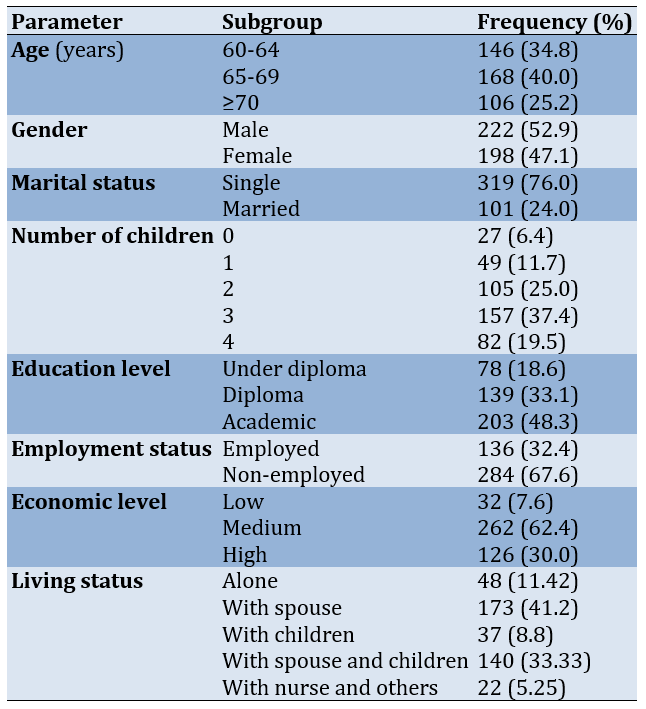
A total of 420 older adults participated in the study. The demographic profile w:as char:acterized by a predominance of participants aged 65–69 years (40%), married (76%), and currently unemployed (67.6%; Table 1).
Table 1. Demographic characteristics of the samples
Internet use was notably prevalent among the sample, with 283 participants (67.4%) reporting daily use, 101 (24%) reporting once a week, and 36 (8.57%) reporting less than once a week. Furthermore, nearly half of the participants (177, 42.14%) self-assessed their proficiency with tablets and smartphones as medium, 127 participants (30.23%) reported low proficiency, and 116 participants (27.61%) declared good proficiency.
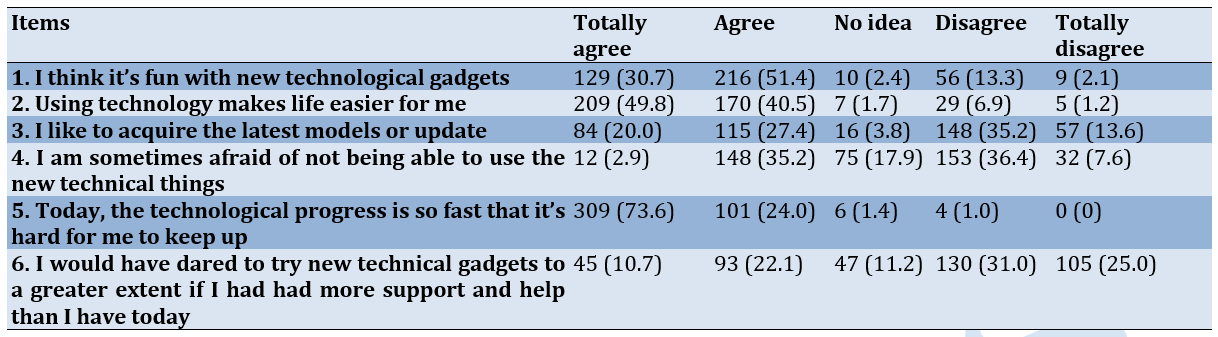
The overall mean TechPH score was 3.59±0.40, indicating a moderately favorable attitude toward technology among the participants on a scale of 1 to 5. A significant majority (73.6%) strongly agreed that the rapid pace of technological progress is difficult to keep up with, the highest level of agreement. Conversely, the statement regarding the need for additional support to try new gadgets received the highest frequency of “fully disagree” responses (25%; Table 2).
Table 2. Response frequencies for attitudes toward technology (technophilia and technophobia)
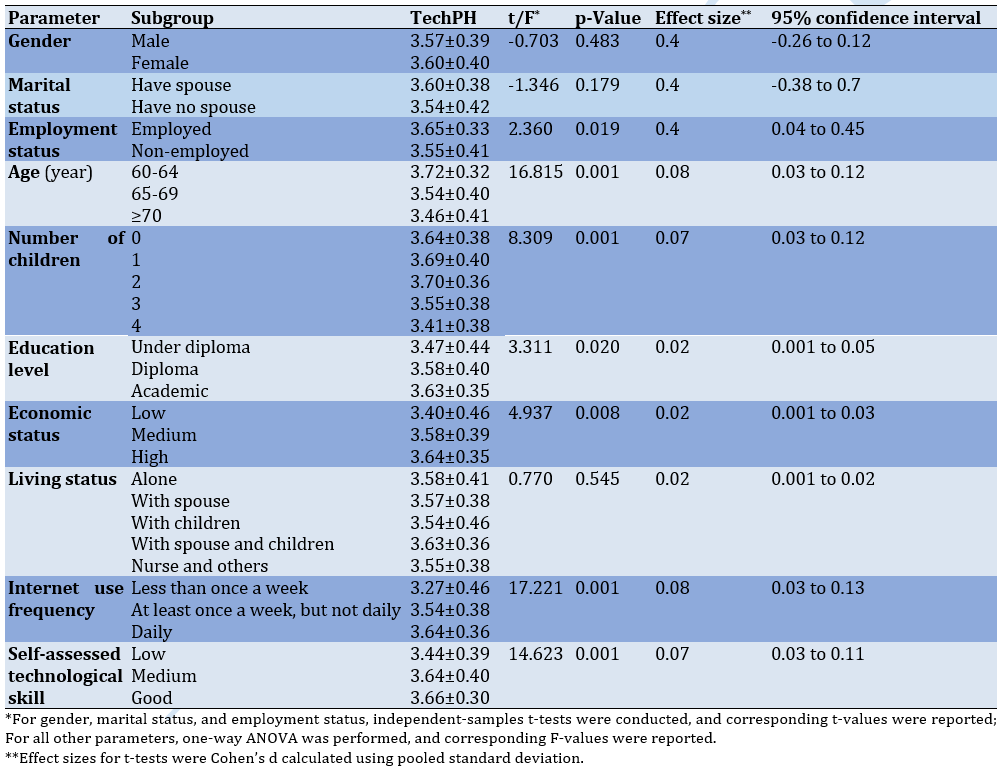
Several significant predictors of technophilia were found. Age and education level played crucial roles, as younger participants (60-64 years) and those with higher educational attainment exhibited significantly higher TechPH scores (p=0.001 and p=0.02, respectively). Socioeconomic factors also showed a positive correlation, with both employment and higher economic status being significantly associated with more favorable attitudes (p<0.05). Furthermore, digital experience was a strong predictor; daily Internet users and those with higher self-reported technical proficiency demonstrated significantly higher technophilia (p=0.001; f²=0.08). In contrast, demographic parameters such as gender, marital status, and family structure did not show any statistically significant relationship with TechPH scores (p>0.05; Table 3).
Table 3. Mean TechPH index by demographic characteristics, internet usage, and technological skill
Discussion
This study examined older adults’ attitudes toward technology in Iran and explored sociodemographic and technology-related factors associated with these attitudes, as measured by the TechPH index. Overall, participants demonstrated a moderately positive attitude toward technology. Higher levels of technophilia were observed among younger older adults (aged 60–64 years), individuals with higher educational attainment, those who were employed, participants with higher economic status, daily Internet users, and those reporting greater technological proficiency. Together, these findings provide a clearer profile of older adults’ attitudes toward technology in the Iranian context and identify key factors that may inform the development of targeted and culturally appropriate interventions.
The average TechPH score observed indicated a relatively favorable attitude toward technology among the surveyed older adults. This finding is broadly comparable to the results reported by Anderberg et al. [21]. The similarity between these findings suggests that older adults in Iran, like their counterparts in other settings, demonstrate moderate openness toward digital technologies. At the same time, the results indicate considerable potential for further improvement through structured exposure, training, and supportive interventions to enhance digital engagement.
Gender was not significantly associated with the TechPH index in the present study. This finding contrasts with Anderberg et al., who report higher levels of technophilia among men [21], and with Berner et al., who report that male gender is positively associated with Internet use among older Swedish adults [28]. Such discrepancies may reflect sociocultural differences in gender roles, access to technology, and the perceived relevance of digital tools across contexts. Thus, gender-related patterns of technology engagement in later life are not universal but are shaped by broader social and cultural environments.
Age emerged as a significant determinant of technophilia, with younger segments of the older adult population exhibiting more positive attitudes toward technology. This finding is consistent with that of Anderberg et al. and Berner et al., who report a gradual decline in Internet use with increasing age [21, 28]. They highlight that even small increases in age may correspond to meaningful reductions in digital engagement, potentially due to age-related changes in cognitive functioning, confidence, perceived usefulness, and prior exposure to technology. These results underscore the importance of early engagement and continuous support as individuals transition into later life.
With regard to marital and employment status, technophilia was not associated with marital status but showed a significant relationship with employment. Although the relationship between technophilia and these parameters has received limited attention in previous studies, employment may facilitate more positive attitudes toward technology by increasing opportunities for social participation, routine exposure to digital systems, and practical use of technology in occupational settings. Such experiences may help maintain digital skills and foster confidence, even in later life.
Educational attainment showed a strong and significant association with technophilia, consistent with earlier findings by Anderberg et al. [21]. Similarly, Berner et al. report that higher education is positively associated with Internet use [28], while Nimrod declares higher levels of technophobia among individuals with fewer years of education [29]. Collectively, education plays a critical role in shaping digital literacy, perceived competence, and attitudes toward technology, potentially reducing anxiety and resistance to technological adoption.
Economic status also emerged as an important factor associated with technophilia. Older adults with higher economic status reported more positive attitudes toward technology, which may be explained by greater access to digital devices, increased purchasing power, and the ability to participate in training or learning opportunities. These resources may create a reinforcing cycle in which familiarity and competence reduce anxiety and promote more favorable perceptions of technology.
In addition, both technical skills and frequency of Internet use were positively associated with the TechPH index. Consistent with Anderberg et al., older adults who used the Internet daily and reported higher levels of proficiency with digital devices, such as mobile phones and tablets exhibited more positive attitudes toward technology [21]. Regular interaction with digital tools may enhance confidence and perceived control, thereby reducing fear and uncertainty and reinforcing technophilic orientations.
Overall, the relatively high level of technophilia observed among older adults in this Iranian sample is encouraging. Nevertheless, these findings should be interpreted with caution and within an evidence-based framework, recognizing that attitudes toward technology are shaped by a complex interplay of demographic, educational, socioeconomic, and experiential factors. A more nuanced understanding of these determinants may support the design of targeted interventions and tailored educational programs, ultimately enabling older adults to engage more confidently and effectively with an increasingly digital society.
Several limitations should be considered when interpreting the findings of this study. First, characteristics of the target population and the data collection method may have influenced the results. Some older adult participants may have experienced difficulties with reading, vision, or responding to questionnaire items due to age-related sensory or visual impairments. These challenges may have affected how participants understood the questions or expressed their attitudes toward technology. Second, the use of self-report questionnaires represents an inherent limitation. Self-reported data are susceptible to response bias, including social desirability bias, whereby participants may provide responses they perceive as favorable rather than entirely accurate. In addition, respondents with lower general literacy levels or limited familiarity with digital technologies may have misinterpreted certain questions, potentially affecting the reliability of their responses. Participants’ mood or situational factors at the time of data collection—such as fatigue, stress, or reduced motivation—may also have influenced their answers.
Furthermore, self-report measures limit the researcher’s ability to clarify participants’ interpretations or probe more deeply into their experiences and attitudes. As a result, the data may not fully capture actual behaviors, knowledge, or nuanced attitudes toward technology. External contextual factors, including the quality, availability, and accessibility of technological resources, as well as restrictions on their use, may also have influenced older adults’ attitudes. In addition, social stigma associated with technology use in later life may have reduced some individuals’ willingness to engage fully or respond openly. Another limitation relates to the scope of measurement. The instrument used in this study primarily assessed general attitudes toward technology. More specific or technology-focused measurement tools may be required to generate deeper insights into attitudes toward particular digital technologies or applications relevant to older adults.
Finally, participants were recruited from comprehensive health centers, potentially introducing selection bias. Older adults with lower health literacy, limited mobility, or less frequent contact with healthcare services may have been underrepresented. Consequently, the sample may disproportionately reflect individuals who are more proactive about their health or have better access to primary care services. This limitation may restrict the external validity and generalizability of the findings, particularly to older adults who are less connected to the healthcare system. Future research would benefit from employing community-based or mixed recruitment strategies to ensure broader representation.
Interventions aimed at enhancing digital inclusion among older adults should prioritize accessibility, confidence-building, and sustained support. In-person or offline digital literacy programs tailored to older adults’ needs, as well as intergenerational initiatives in which younger family members or volunteers provide guidance, may be particularly effective. Skills-based workshops that focus on building confidence and practical competence can further support meaningful use of technology. In addition, peer-based support groups may help older adults share experiences, address challenges, and maintain motivation, thereby fostering longer-term engagement.
From a broader perspective, the findings underscore the importance of age-friendly technology design. Developers and industry stakeholders should prioritize intuitive interfaces, high usability, and inclusive design principles to reduce barriers to adoption and mitigate technophobia. By translating these insights into concrete policies, programs, and design practices, stakeholders can promote technology acceptance and support older adults’ active participation in an increasingly digital society.
This study, among the first of its kind in Iran, provides policymakers, planners, and practitioners with a clearer and more nuanced understanding of older adults’ attitudes toward technology. Overall, older adults demonstrated a relatively positive, technophilic orientation, as reflected in the TechPH index. Although these results suggest a generally favorable baseline attitude, they also highlight the need for targeted and practical strategies to further strengthen engagement with digital technologies among this population.
Conclusion
Older adults in Iran generally hold positive attitudes toward technology, underscoring the importance of tailored strategies to enhance their digital engagement and support successful technology adoption.
Acknowledgments: We would like to thank all the older people who participated in the present study. We are also grateful to the Vice-Chancellor of Health at Shahid Beheshti University of Medical Sciences for their assistance with sampling and access to the target group.
Ethical Permissions: This research received ethical clearance from the Research Ethics Committee of the School of Public Health and Safety, Shahid Beheshti University of Medical Sciences (IR.SBMU.PHNS.REC.1402.015).
Conflicts of Interest: There is no conflict of interest.
Authors' Contribution: Abdipour N (First Author), Introduction Writer/Main Researcher/Discussion Writer/Statistical Analyst (35%); Rakhshanderou S (Second Author), Methodologist/Statistical Analyst (30%); Ghaffari M (Third Author), Methodologist/Statistical Analyst (35%)
Funding/Support: None declared by the authors.
In the era of global aging, digital technology is increasingly recognized as a promising tool for addressing many challenges associated with aging, including declining physical and cognitive functions, multimorbidity, and changes in social networks [1]. One domain that seeks to respond to these challenges is gerontechnology, an interdisciplinary field that applies technology to support older adults’ needs and enhance their quality of life. Within this field, humanoid robots—equipped with artificial intelligence and human-like features—have been identified as future technologies that could support older adults and alleviate pressures in elder care [2].
More broadly, the use of information and communication technologies (ICT), such as computers, the Internet, and mobile phones, has become increasingly common among older adults in many countries [3]. As a result, engagement with online platforms now constitutes an integral part of daily life for many older adults [4]. In particular, mobile technologies offer considerable potential for healthcare applications. Mobile phones have been identified as a means of bridging the traditional digital divide by providing access to underserved populations worldwide, especially in developing countries [5].
Advances in communication technologies—especially Internet-based and mobile technologies—have demonstrated substantial potential for global health education, health monitoring, and the promotion of healthy behaviors [6]. For example, eHealth and mHealth interventions represent technological innovations that can effectively promote physical activity [7]. In addition, assistive technologies for older adult care, including video monitoring, remote health monitoring, sensors, and electronic devices, have been widely recognized for their ability to enhance the provision of care and support independent living [8]. Overall, technologies designed for older adult care aim to monitor, support, or improve daily activities, personal health and safety, mobility, communication, and physical activity [9].
Despite these opportunities, technology adoption among older adults remains uneven. While a substantial proportion of older adults express interest in learning about and using new digital technologies and perceive them as relevant to their daily lives [10], adoption rates remain lower than those observed in the general population, and digital skills are typically lower than those of younger age groups [11]. Consequently, older adults are often subject to negative stereotypes, perceived as less capable of using new technologies because of their age [12]. Such age-related stereotypes are reflected not only in policy and research but also in technology design and in individuals’ decisions to adopt digital tools [10].
Commonly reported barriers to technology use among older adults include negative attitudes, lack of awareness, inappropriate design, high costs, low self-efficacy, limited perceived need, privacy concerns, and trust issues [13, 14]. As a result, older adults who do not engage with computers or Internet-based technologies are unable to benefit from the potential advantages of these technologies [15]. Moreover, late adoption of digital technologies can further impair digital competence, particularly among individuals with misconceptions about technology or limited IT literacy [16]. Against this background of rapid technological development, emerging technologies not only offer new opportunities and conveniences but may also alter behavioral norms and evoke emotional responses such as anxiety, fear, and sadness. These emotional responses have contributed to the emergence of two opposing concepts: technophobia and technophilia [17].
Although technophilia lacks a universally accepted definition [18], it is generally understood as an attraction to and enthusiasm for using technology, particularly new technologies such as personal computers, the Internet, mobile phones, and other digital devices [19, 20]. First introduced in the 1960s [20], technophilia reflects an individual’s overall relationship with technology and influences acceptance, persistence, and perceived outcomes of technology use [21]. Technophilic individuals typically engage positively with most technologies, adopt new tools enthusiastically, and view technological development as a means of improving living conditions and addressing societal challenges [20]. They tend to enjoy using technology, maintain positive attitudes toward adoption, and focus on its personal benefits [22], without fearing broader societal consequences [20].
In contrast, technophobia refers to an irrational fear or anxiety associated with the use of technology [20, 22, 23]. This concept encompasses two dimensions: fear of the societal and environmental impacts of technological advancement, and fear of using technological devices, such as computers and advanced tools [20]. Technophobia is characterized by unpleasant emotions, including anxiety, fear, and aversion to modern technologies such as computers, robots, artificial intelligence, and other digital devices [16, 17]. As a psychological orientation toward technology, technophobia can inhibit the use of technology and limit individuals’ ability to benefit from technological innovations [20, 22]. Technophobic individuals often resist adopting new technologies out of fear, thereby limiting their engagement with digital opportunities [22, 24].
Empirical research on the measurement of technophilia and technophobia remains limited. One notable contribution by Anderberg et al. is the development of a concise instrument to assess attitudes toward technology among older adults in Sweden. This tool captures two dimensions—technophilia and technophobia—using a scoring range from 1 to 5 [21]. Conceptually, individuals’ attitudes toward technology can be positioned along a continuum, ranging from fully positive to fully negative.
Older adults are frequently stereotyped as technophobic, less capable, and less willing to adopt new digital technologies [10]. However, the assumption that technophobia is limited to older populations has long been challenged [20]. In the context of technology use, internalized negative age-related stereotypes—such as the belief that older adults lack sufficient technological skills [12]—may contribute to technophobia, anxiety, and generally negative attitudes toward technology [25, 26]. Older adults without prior computer experience are particularly likely to report concerns and fears related to technology use [27]. Furthermore, age-related declines in sensory and cognitive functioning may increase perceptions of technological complexity and effort, thereby heightening anxiety [12].
Technophobia may have adverse consequences for older adults’ well-being by limiting participation in social and digital activities [3, 25]. Nevertheless, intervention studies targeting older adults have demonstrated that technophobia can be reduced through self-education, mentoring, collaborative learning, and intergenerational support, with self-efficacy increasing as individuals gain hands-on experience with technology [12].
To effectively implement and evaluate technologies for older adults, it is essential to assess their attitudes toward technology, as these attitudes strongly influence acceptance or rejection and, consequently, the effectiveness of technology-based health interventions. This understanding is particularly important given the limited empirical evidence in the global literature. For instance, Mitzner et al. report that gender, prior technology experience, technology efficacy, and self-efficacy significantly influence technology acceptance and predicted long-term use among older adults [15]. Schlomann et al. further emphasize the value of multidimensional measures of views on aging (VoA) in understanding the relationship between aging experiences and technology acceptance [11]. Similarly, Berner et al. report that rural residence, education level, and age influence Internet use among Swedish adults aged 65 and older, highlighting the risk of digital exclusion in an increasingly digital society [28]. Nimrod also identified technophobia as a potential risk factor for reduced online engagement and lower life satisfaction among older adults [29].
Despite the growing adoption of digital technologies among older adults, a substantial knowledge gap remains regarding attitudes toward technology in the Iranian context. Understanding these attitudes is crucial, as negative perceptions—such as technophobia—may hinder engagement with digital activities, limit potential benefits, and adversely affect overall well-being. Given Iran’s rapidly aging population and the increasing integration of digital technologies into social interaction, health management, and everyday life, examining older adults’ attitudes toward technology is both timely and necessary.
This study aimed to investigate and measure older adults’ attitudes toward technology and to examine factors associated with these attitudes among individuals attending comprehensive health centers in Iran.
Instrument and Methods
Design and sample
This cross-sectional study was conducted among 420 older adults affiliated with three headquarters of Shahid Beheshti University of Medical Sciences, which were used as strata in the sampling process.
Each headquarters, serving as a central administrative unit, oversees multiple comprehensive health service centers within its geographic area. To determine an appropriate sample size, the standard deviation (σ) was set at 0.4 based on pilot study results. Using a 5% margin of error, a 95% confidence level, and a 10% anticipated dropout rate, the Cochran formula was applied, yielding an estimated sample size of 420 participants.
Participants were recruited using a multi-stage random sampling procedure. In the first stage, three headquarters—North, East, and Shemiranat—overseen by Shahid Beheshti University of Medical Sciences, were selected as strata from the seven existing headquarters in Tehran. These strata included 23, 21, and 8 comprehensive health service centers, respectively. In the second stage, the centers affiliated with each selected headquarters were treated as clusters. A full list of centers for each headquarters was compiled, and each center was assigned a unique ID number. Clusters were then randomly selected by lottery, resulting in 14 selected centers: seven from the North headquarters, five from the East, and two from Shemiranat. In the third stage, the populations served by these centers were identified through the Integrated Health System (SIB). From each center, approximately 30 eligible older adults were selected using systematic random sampling based on their existing medical record numbers and were subsequently enrolled in the study (Figure 1).
Inclusion criteria were willingness to participate, being an Iranian national, age 60 years or older, literacy and the ability to complete the questionnaire, having a household file at a comprehensive health service center, and absence of cognitive impairment at the time of the study. Incomplete questionnaires were considered withdrawals. A total of 25 older adults submitted incomplete questionnaires due to reasons such as rushing, refusal to cooperate, fatigue, or a companion's insistence that they leave the center. These participants were subsequently replaced with an equal number of individuals who met the inclusion criteria.
Figure 1. Sampling process flowchart
Instrument
Data were collected using a two-part questionnaire. The first part gathered demographic and background information, including age, gender, education level, marital status, employment status, economic status, number of children, frequency of Internet use, self-assessed technological proficiency, and family structure. The second part employed the TechPH scale, developed and validated in Sweden by Anderberg et al., to assess older adults’ attitudes toward technology. The scale comprised six items and measured two primary dimensions, namely technophilia (items 1–3) and technophobia (items 4–6). The scale demonstrated acceptable internal consistency, with Cronbach’s alpha values of 0.72 and 0.68, respectively. Responses were recorded on a five-point Likert scale ranging from 1 (strongly disagree) to 5 (strongly agree), with technophobia items reverse-scored [21]. The validity of the scale for the Iranian older adult population was confirmed in a 2024 study using translation, face, content, and construct validity methods. The reliability of the Iranian version, assessed via intraclass correlation coefficient (ICC) and internal consistency (Cronbach’s alpha), was reported as 0.85 and 0.77, respectively [30].
Data analysis
Data were coded and analyzed using SPSS 16. The distribution of the data was evaluated by examining skewness and kurtosis to assess normality. Group differences were analyzed using ANOVA and independent-samples t-tests.
Findings
A total of 420 older adults participated in the study. The demographic profile w:as char:acterized by a predominance of participants aged 65–69 years (40%), married (76%), and currently unemployed (67.6%; Table 1).
Table 1. Demographic characteristics of the samples
Internet use was notably prevalent among the sample, with 283 participants (67.4%) reporting daily use, 101 (24%) reporting once a week, and 36 (8.57%) reporting less than once a week. Furthermore, nearly half of the participants (177, 42.14%) self-assessed their proficiency with tablets and smartphones as medium, 127 participants (30.23%) reported low proficiency, and 116 participants (27.61%) declared good proficiency.
The overall mean TechPH score was 3.59±0.40, indicating a moderately favorable attitude toward technology among the participants on a scale of 1 to 5. A significant majority (73.6%) strongly agreed that the rapid pace of technological progress is difficult to keep up with, the highest level of agreement. Conversely, the statement regarding the need for additional support to try new gadgets received the highest frequency of “fully disagree” responses (25%; Table 2).
Table 2. Response frequencies for attitudes toward technology (technophilia and technophobia)
Several significant predictors of technophilia were found. Age and education level played crucial roles, as younger participants (60-64 years) and those with higher educational attainment exhibited significantly higher TechPH scores (p=0.001 and p=0.02, respectively). Socioeconomic factors also showed a positive correlation, with both employment and higher economic status being significantly associated with more favorable attitudes (p<0.05). Furthermore, digital experience was a strong predictor; daily Internet users and those with higher self-reported technical proficiency demonstrated significantly higher technophilia (p=0.001; f²=0.08). In contrast, demographic parameters such as gender, marital status, and family structure did not show any statistically significant relationship with TechPH scores (p>0.05; Table 3).
Table 3. Mean TechPH index by demographic characteristics, internet usage, and technological skill
Discussion
This study examined older adults’ attitudes toward technology in Iran and explored sociodemographic and technology-related factors associated with these attitudes, as measured by the TechPH index. Overall, participants demonstrated a moderately positive attitude toward technology. Higher levels of technophilia were observed among younger older adults (aged 60–64 years), individuals with higher educational attainment, those who were employed, participants with higher economic status, daily Internet users, and those reporting greater technological proficiency. Together, these findings provide a clearer profile of older adults’ attitudes toward technology in the Iranian context and identify key factors that may inform the development of targeted and culturally appropriate interventions.
The average TechPH score observed indicated a relatively favorable attitude toward technology among the surveyed older adults. This finding is broadly comparable to the results reported by Anderberg et al. [21]. The similarity between these findings suggests that older adults in Iran, like their counterparts in other settings, demonstrate moderate openness toward digital technologies. At the same time, the results indicate considerable potential for further improvement through structured exposure, training, and supportive interventions to enhance digital engagement.
Gender was not significantly associated with the TechPH index in the present study. This finding contrasts with Anderberg et al., who report higher levels of technophilia among men [21], and with Berner et al., who report that male gender is positively associated with Internet use among older Swedish adults [28]. Such discrepancies may reflect sociocultural differences in gender roles, access to technology, and the perceived relevance of digital tools across contexts. Thus, gender-related patterns of technology engagement in later life are not universal but are shaped by broader social and cultural environments.
Age emerged as a significant determinant of technophilia, with younger segments of the older adult population exhibiting more positive attitudes toward technology. This finding is consistent with that of Anderberg et al. and Berner et al., who report a gradual decline in Internet use with increasing age [21, 28]. They highlight that even small increases in age may correspond to meaningful reductions in digital engagement, potentially due to age-related changes in cognitive functioning, confidence, perceived usefulness, and prior exposure to technology. These results underscore the importance of early engagement and continuous support as individuals transition into later life.
With regard to marital and employment status, technophilia was not associated with marital status but showed a significant relationship with employment. Although the relationship between technophilia and these parameters has received limited attention in previous studies, employment may facilitate more positive attitudes toward technology by increasing opportunities for social participation, routine exposure to digital systems, and practical use of technology in occupational settings. Such experiences may help maintain digital skills and foster confidence, even in later life.
Educational attainment showed a strong and significant association with technophilia, consistent with earlier findings by Anderberg et al. [21]. Similarly, Berner et al. report that higher education is positively associated with Internet use [28], while Nimrod declares higher levels of technophobia among individuals with fewer years of education [29]. Collectively, education plays a critical role in shaping digital literacy, perceived competence, and attitudes toward technology, potentially reducing anxiety and resistance to technological adoption.
Economic status also emerged as an important factor associated with technophilia. Older adults with higher economic status reported more positive attitudes toward technology, which may be explained by greater access to digital devices, increased purchasing power, and the ability to participate in training or learning opportunities. These resources may create a reinforcing cycle in which familiarity and competence reduce anxiety and promote more favorable perceptions of technology.
In addition, both technical skills and frequency of Internet use were positively associated with the TechPH index. Consistent with Anderberg et al., older adults who used the Internet daily and reported higher levels of proficiency with digital devices, such as mobile phones and tablets exhibited more positive attitudes toward technology [21]. Regular interaction with digital tools may enhance confidence and perceived control, thereby reducing fear and uncertainty and reinforcing technophilic orientations.
Overall, the relatively high level of technophilia observed among older adults in this Iranian sample is encouraging. Nevertheless, these findings should be interpreted with caution and within an evidence-based framework, recognizing that attitudes toward technology are shaped by a complex interplay of demographic, educational, socioeconomic, and experiential factors. A more nuanced understanding of these determinants may support the design of targeted interventions and tailored educational programs, ultimately enabling older adults to engage more confidently and effectively with an increasingly digital society.
Several limitations should be considered when interpreting the findings of this study. First, characteristics of the target population and the data collection method may have influenced the results. Some older adult participants may have experienced difficulties with reading, vision, or responding to questionnaire items due to age-related sensory or visual impairments. These challenges may have affected how participants understood the questions or expressed their attitudes toward technology. Second, the use of self-report questionnaires represents an inherent limitation. Self-reported data are susceptible to response bias, including social desirability bias, whereby participants may provide responses they perceive as favorable rather than entirely accurate. In addition, respondents with lower general literacy levels or limited familiarity with digital technologies may have misinterpreted certain questions, potentially affecting the reliability of their responses. Participants’ mood or situational factors at the time of data collection—such as fatigue, stress, or reduced motivation—may also have influenced their answers.
Furthermore, self-report measures limit the researcher’s ability to clarify participants’ interpretations or probe more deeply into their experiences and attitudes. As a result, the data may not fully capture actual behaviors, knowledge, or nuanced attitudes toward technology. External contextual factors, including the quality, availability, and accessibility of technological resources, as well as restrictions on their use, may also have influenced older adults’ attitudes. In addition, social stigma associated with technology use in later life may have reduced some individuals’ willingness to engage fully or respond openly. Another limitation relates to the scope of measurement. The instrument used in this study primarily assessed general attitudes toward technology. More specific or technology-focused measurement tools may be required to generate deeper insights into attitudes toward particular digital technologies or applications relevant to older adults.
Finally, participants were recruited from comprehensive health centers, potentially introducing selection bias. Older adults with lower health literacy, limited mobility, or less frequent contact with healthcare services may have been underrepresented. Consequently, the sample may disproportionately reflect individuals who are more proactive about their health or have better access to primary care services. This limitation may restrict the external validity and generalizability of the findings, particularly to older adults who are less connected to the healthcare system. Future research would benefit from employing community-based or mixed recruitment strategies to ensure broader representation.
Interventions aimed at enhancing digital inclusion among older adults should prioritize accessibility, confidence-building, and sustained support. In-person or offline digital literacy programs tailored to older adults’ needs, as well as intergenerational initiatives in which younger family members or volunteers provide guidance, may be particularly effective. Skills-based workshops that focus on building confidence and practical competence can further support meaningful use of technology. In addition, peer-based support groups may help older adults share experiences, address challenges, and maintain motivation, thereby fostering longer-term engagement.
From a broader perspective, the findings underscore the importance of age-friendly technology design. Developers and industry stakeholders should prioritize intuitive interfaces, high usability, and inclusive design principles to reduce barriers to adoption and mitigate technophobia. By translating these insights into concrete policies, programs, and design practices, stakeholders can promote technology acceptance and support older adults’ active participation in an increasingly digital society.
This study, among the first of its kind in Iran, provides policymakers, planners, and practitioners with a clearer and more nuanced understanding of older adults’ attitudes toward technology. Overall, older adults demonstrated a relatively positive, technophilic orientation, as reflected in the TechPH index. Although these results suggest a generally favorable baseline attitude, they also highlight the need for targeted and practical strategies to further strengthen engagement with digital technologies among this population.
Conclusion
Older adults in Iran generally hold positive attitudes toward technology, underscoring the importance of tailored strategies to enhance their digital engagement and support successful technology adoption.
Acknowledgments: We would like to thank all the older people who participated in the present study. We are also grateful to the Vice-Chancellor of Health at Shahid Beheshti University of Medical Sciences for their assistance with sampling and access to the target group.
Ethical Permissions: This research received ethical clearance from the Research Ethics Committee of the School of Public Health and Safety, Shahid Beheshti University of Medical Sciences (IR.SBMU.PHNS.REC.1402.015).
Conflicts of Interest: There is no conflict of interest.
Authors' Contribution: Abdipour N (First Author), Introduction Writer/Main Researcher/Discussion Writer/Statistical Analyst (35%); Rakhshanderou S (Second Author), Methodologist/Statistical Analyst (30%); Ghaffari M (Third Author), Methodologist/Statistical Analyst (35%)
Funding/Support: None declared by the authors.
References
1. Oh SS, Kim KA, Kim M, Oh J, Chu SH, Choi J. Measurement of digital literacy among older adults: Systematic review. J Med Internet Res. 2021;23(2):e26145. [Link] [DOI:10.2196/26145]
2. Ejdys J, Halicka K. Sustainable adaptation of new technology-the case of humanoids used for the care of older adults. Sustainability. 2018;10(10):3770. [Link] [DOI:10.3390/su10103770]
3. Nimrod G. Aging well in the digital age: Technology in processes of selective optimization with compensation. J Gerontol Ser B Psychol Sci Soc Sci. 2020;75(9):2008-17. [Link] [DOI:10.1093/geronb/gbz111]
4. Szabo A, Allen J, Stephens C, Alpass F. Longitudinal analysis of the relationship between purposes of internet use and well-being among older adults. Gerontologist. 2019;59(1):58-68. [Link] [DOI:10.1093/geront/gny036]
5. Fiordelli M, Diviani N, Schulz PJ. Mapping mHealth research: A decade of evolution. J Med Internet Res. 2013;15(5):e95. [Link] [DOI:10.2196/jmir.2430]
6. Gell NM, Rosenberg DE, Demiris G, LaCroix AZ, Patel KV. Patterns of technology use among older adults with and without disabilities. Gerontologist. 2015;55(3):412-21. [Link] [DOI:10.1093/geront/gnt166]
7. Aslam AS, Van Luenen S, Aslam S, Van Bodegom D, Chavannes NH. A systematic review on the use of mHealth to increase physical activity in older people. Clin eHealth. 2020;3:31-9. [Link] [DOI:10.1016/j.ceh.2020.04.002]
8. Bong WK, Bergland A, Chen W. Technology acceptance and quality of life among older people using a TUI application. Int J Environ Res Public Health. 2019;16(23):4706. [Link] [DOI:10.3390/ijerph16234706]
9. Ollevier A, Aguiar G, Palomino M, Simpelaere IS. How can technology support ageing in place in healthy older adults? A systematic review. Public Health Rev. 2020;41(1):26. [Link] [DOI:10.1186/s40985-020-00143-4]
10. Köttl H, Mannheim I. Ageism & digital technology: Policy measures to address ageism as a barrier to adoption and use of digital technology. Brussels: EuroAgeism; 2021. [Link]
11. Schlomann A, Memmer N, Wahl HW. Awareness of age-related change is associated with attitudes toward technology and technology skills among older adults. Front Psychol. 2022;13:905043. [Link] [DOI:10.3389/fpsyg.2022.905043]
12. Xi W, Zhang X, Ayalon L. When less intergenerational closeness helps: The influence of intergenerational physical proximity and technology attributes on technophobia among older adults. Comput Hum Behav. 2022;131:107234. [Link] [DOI:10.1016/j.chb.2022.107234]
13. Airola E. Learning and use of eHealth among older adults living at home in rural and nonrural settings: Systematic review. J Med Internet Res. 2021;23(12):e23804. [Link] [DOI:10.2196/23804]
14. Kamin ST, Lang FR, Beyer A. Subjective technology adaptivity predicts technology use in old age. Gerontology. 2017;63(4):385-92. [Link] [DOI:10.1159/000471802]
15. Mitzner TL, Savla J, Boot WR, Sharit J, Charness N, Czaja SJ, et al. Technology adoption by older adults: Findings from the PRISM trial. Gerontologist. 2019;59(1):34-44. [Link] [DOI:10.1093/geront/gny113]
16. Di Giacomo D, Guerra F, Perilli E, Ranieri J. Technophobia as emerging risk factor in aging: Investigation on computer anxiety dimension. Health Psychol Res. 2020;8(1):8207. [Link] [DOI:10.4081/hpr.2020.8207]
17. Abbasi F, Tabatabaee-Yazdi M. EFL teachers' personality traits and their sense of technophobia and technophilia. J Res Techno Based Lang Educ. 2021;1(2):1-14. [Link]
18. Seebauer S, Stolz R, Berger M. Technophilia as a driver for using advanced traveler information systems. Transp Res Part C Emerg Technol. 2015;60:498-510. [Link] [DOI:10.1016/j.trc.2015.10.009]
19. Martínez-Córcoles M, Teichmann M, Murdvee M. Assessing technophobia and technophilia: Development and validation of a questionnaire. Technol Soc. 2017;51:183-8. [Link] [DOI:10.1016/j.techsoc.2017.09.007]
20. Osiceanu ME. Psychological implications of modern technologies: "technofobia" versus "technophilia". Procedia Soc Behav Sci. 2015;180:1137-44. [Link] [DOI:10.1016/j.sbspro.2015.02.229]
21. Anderberg P, Eivazzadeh S, Berglund JS. A novel instrument for measuring older people's attitudes toward technology (TechPH): Development and validation. J Med Internet Res. 2019;21(5):e13951. [Link] [DOI:10.2196/13951]
22. Ajlouni A, Rawadieh S. Technophobia and technophilia among undergraduates: Cross-national research in Jordan, Qatar, and Egypt. J Soc Stud Educ Res. 2022;13(4):24-55. [Link]
23. Marescotti ME, Demartini E, Filippini R, Gaviglio A. Smart farming in mountain areas: Investigating livestock farmers' technophobia and technophilia and their perception of innovation. J Rural Stud. 2021;86:463-72. [Link] [DOI:10.1016/j.jrurstud.2021.07.015]
24. Faloye ST, Ranjeeth S, Ako-Nai MS. Impact of technophobia on the digital divide. A preliminary case study in the Eastern Cape Province of South Africa. Proceedings of the 2022 IST-Africa Conference. Ireland: IEEE; 2022. [Link] [DOI:10.23919/IST-Africa56635.2022.9845655]
25. Xi W, Zhang X, Ayalon L. The framing effect of intergenerational comparison of technologies on technophobia among older adults. J Gerontol Ser B. 2022;77(7):1179-85. [Link] [DOI:10.1093/geronb/gbab199]
26. Köttl H, Gallistl V, Rohner R, Ayalon L. "But at the age of 85? Forget it!": Internalized ageism, a barrier to technology use. J Aging Stud. 2021;59:100971. [Link] [DOI:10.1016/j.jaging.2021.100971]
27. Li C, Neugroschl J, Zhu CW, Aloysi A, Schimming CA, Cai D, et al. Design considerations for mobile health applications targeting older adults. J Alzheimers Dis. 2021;79(1):1-8. [Link] [DOI:10.3233/JAD-200485]
28. Berner J, Rennemark M, Jogréus C, Anderberg P, Sköldunger A, Wahlberg M, et al. Factors influencing Internet usage in older adults (65 years and above) living in rural and urban Sweden. Health Informatics J. 2015;21(3):237-49. [Link] [DOI:10.1177/1460458214521226]
29. Nimrod G. Technophobia among older Internet users. Educ Gerontol. 2018;44(2-3):148-62. [Link] [DOI:10.1080/03601277.2018.1428145]
30. Abdipour N, Rakhshanderou S, Ghaffari M. Validity and reliability of the TechPH scale in assessing Iranian older adults' attitudes toward technology. BMC Geriatr. 2024;24(1):907. [Link] [DOI:10.1186/s12877-024-05502-3]