

TMU
Owner
Tarbiat Modares University (TMU) is the owner of HEHP.

0.8
Cite Score 2025
Volume 14, Issue 1 (2026)
Health Educ Health Promot 2026, 14(1): 37-43 |
Back to browse issues page
Article Type:




History
Received: 2025/12/19 | Accepted: 2025/12/27 | Published: 2026/01/29
Received: 2025/12/19 | Accepted: 2025/12/27 | Published: 2026/01/29
How to cite this article
Rahman R, Patwayati P, La Hatani L, Maharani S. Modeling a Job Demands-Resources Framework in Indonesian Primary Healthcare; a Structural Equation Modeling-Partial Least Squares Analysis. Health Educ Health Promot 2026; 14 (1) :37-43
URL: http://hehp.daneshafarand.org/article-4-83049-en.html
URL: http://hehp.daneshafarand.org/article-4-83049-en.html
Download citation:
BibTeX | RIS | EndNote | Medlars | ProCite | Reference Manager | RefWorks
Send citation to:


Rights and permissions
BibTeX | RIS | EndNote | Medlars | ProCite | Reference Manager | RefWorks
Send citation to:


Keywords:
Personal Resources [MeSH], Self-Efficacy [MeSH], Resilience [MeSH], Optimism [MeSH], Work Performance [MeSH], Primary Health Care [MeSH]
| Abstract (HTML) (789 Views)
Full-Text: (30 Views)
Introduction
The Alma-Ata Declaration of 1978 established that primary health care is essential for achieving universal health coverage and affirmed that health is a fundamental human right within the global health agenda [1-3]. Achieving the Sustainable Development Goals (SDGs) requires integrating three fundamental components: community empowerment, multisectoral policies and initiatives, and primary health care as the foundation of integrated services [4].
For primary health care to excel in service delivery, health workers must possess a comprehensive understanding of the community's conditions. However, it encounters significant challenges worldwide, particularly regarding competence, employment welfare, and unequal distribution [1, 5-7]. The World Health Organization projects a global deficit of approximately 10 million health workers by the year 2030. A significant proportion of these workers will be located in low-income countries, which account for approximately 25% of health workers while shouldering 80% of the disease burden. Conversely, 70% of healthcare professionals are located in developed nations [8-10].
By 2030, Southeast Asia, encompassing Bangladesh, Nepal, and Myanmar, will require an additional 1.9 million health professionals to enhance health coverage. These countries continue to experience a shortage of health workers, with an anticipated ratio of 22.8 per 10,000 individuals. Indonesia, India, and Sri Lanka continue to experience challenges related to uneven distribution [9-11].
Indonesia currently lacks a sufficient number of health experts, falling short of international standards. The national ratio of health professionals to population stands at 2.56 per 1,000 individuals, significantly below the WHO guideline of 4.45 per 1,000 individuals. The availability of doctors stands at 0.47 per 1,000 individuals, significantly below the minimum standard of 1 doctor per 1,000 individuals. This disparity directly affects primary care: 11.5% of health facilities lack sufficient medical personnel, and 4% lack any doctors. Southeast Sulawesi has a significant number of health facilities without medical doctors, indicating ongoing issues with healthcare distribution. This situation illustrates a deficiency in health workers and highlights inequities that may hinder the achievement of SPM and national health development objectives in the future [12, 13].
According to Minister of Health Regulation Number 43 of 2019, 166 out of 307 health facilities in Southeast Sulawesi (54.25%) lack the necessary health staff. A health center must include nine distinct categories of health personnel: Doctors, dentists, nurses, midwives, public health workers, environmental sanitation workers, laboratory analysts, nutrition workers, and pharmaceutical workers [14].
Kendari City, the capital of Southeast Sulawesi Province, currently has job vacancies for various health professionals across multiple health centers. The personnel consist of medical technicians at the Benu-Benua, Puuwatu, Perumnas, and Mokoau Health Centers; Dentists at the Wua-Wua Health Center; And environmental health and medical laboratories at the Mokoau Health Center [15].
Disparities among health professionals affect not only the quantity of services provided but also contribute to excessive strain, psychological stress, and burnout, all of which impact the delivery of health services [7, 10]. Achieving minimum service standards (SPM) provides a framework for evaluating service effectiveness by assessing structure, processes, and outcomes, thereby indicating the performance of health professionals at the Health Center [16]. However, the SPM indicators at the Kendari City Health Center remain below the national average.
According to the statistics, only a limited number of the 12 primary health care service indicators in Kendari City have achieved the national target of 80%. Services targeting pregnant women, new mothers, children, toddlers, individuals with severe ODGJ, diabetes mellitus, tuberculosis, and student health are approaching their objectives. Many services remain categorized as medium to low, particularly those addressing HIV, the elderly, individuals in their productive years, and high blood pressure. The overall quality of essential services has not met the 20% standard. The status reflects the necessity for enhancements in the quality and equitable distribution of essential services in Kendari City [17, 18].
Theoretical frameworks suggest that various factors, including organizational, psychological, and individual dimensions, influence performance phenomena [19]. The job demands-resources (JD-R) hypothesis elucidates the impact of the interplay between work demands and resources on the performance of health professionals. Excessive expectations coupled with insufficient resources can lead to workplace stress, emotional exhaustion, decreased engagement, and a decline in overall performance [20].
The subpar performance of the Kendari City Health Center on essential service indicators highlights the complex interplay among health professionals' individual competencies, the organizational context, and workplace support. Initial observations and field reports from researchers indicate a variety of symptoms related to inadequate personal resources and work environment factors that negatively affect health professionals' job attachment and performance. Symptoms include a substantial workload, necessitating the management of numerous patients within a limited timeframe, alongside extensive paperwork and the emotional burden associated with patient illness and family complaints. Additionally, some police officers continue to lack confidence in challenging situations.
Certain theories emphasize the structural support of organizations, whereas others highlight the significance of human agency, defined as individuals' capacity for self-regulation. Theories in positive psychology, including the Self-Determination Theory and the Conservation of Resources, posit that an individual's intrinsic strength is the principal factor influencing work engagement and performance. Organizational theory posits that individuals cannot maintain their performance levels without institutional support, which encompasses necessary work resources [21]. The findings from theoretical research and empirical observations demonstrate consistent discrepancies in previous studies, suggesting areas that have not been thoroughly investigated [22].
Additionally, numerous studies employing JD-R theory have been conducted in non-health sectors, which exhibit labor attributes distinct from those in primary health care. This project aimed to develop a model that incorporates work engagement and personal resources as mediators of health professionals' performance, thereby improving the quality of primary health care in both academic and practical settings.
Instrument and Methods
Design and participant
This research was conducted at inpatient and non-inpatient primary healthcare centers from July to December 2025, among all health professionals employed at public primary health care centers (Puskesmas) in Kendari City, Southeast Sulawesi Province, Indonesia (1,080 individuals). The required sample size was calculated using the Slovin formula with a 5% margin of error, yielding a minimum sample size of 292 respondents.
To ensure proportional representation across health care facilities, the sample was allocated using a proportional stratified random sampling technique. Based on this, the final sample consisted of 10 physicians, 6 dentists, 77 nurses, 86 midwives, 19 pharmacy personnel, 18 nutritionists, 13 environmental health officers, 48 health promotion officers, 10 medical laboratory technologists, and 6 medical and biomedical technical staff.
Participants included in this study were required to meet the following inclusion criteria: 1) being employed as a health professional—either as a civil servant or government contract employee—at a public primary health care center in Kendari City; 2) belonging to one of the professional categories specified in the sampling frame, including physicians, dentists, nurses, midwives, pharmacy personnel, nutritionists, environmental health officers, health promotion officers, medical laboratory technologists, and medical and biomedical technical staff; 3) having a minimum of one year of work experience; And 4) providing written informed consent indicating voluntary participation in the research.
Research instrument
The research instrument consisted of a previously validated structured questionnaire. The instrument was designed to assess personal resources, work engagement, and health worker performance in primary health care centers. All items were formulated as closed-ended statements and rated on a five-point Likert scale ranging from 1 (strongly disagree) to 5 (strongly agree). A pilot test with 30 respondents was conducted to evaluate the questionnaire's measurement properties. Instrument validity was examined using Pearson’s Product-Moment correlation, applying a threshold coefficient of ≥0.3 with a significance level of α≤0.05. Reliability was assessed using Cronbach’s Alpha and Composite Reliability; values≥0.7 indicate acceptable internal consistency. The results confirmed that all items and constructs met the established criteria for validity and reliability, supporting the use of the instrument in this research.
Data collection
After obtaining institutional authorization and informed consent, data were collected through face-to-face questionnaire administration to maximize response completeness and data accuracy. Ethical principles, including voluntary participation, anonymity, and confidentiality, were strictly observed throughout the data collection process, in accordance with established research ethics guidelines.
Statistical analysis
The data were analyzed using Structural Equation Modeling with Partial Least Squares (SEM-PLS) implemented in SmartPLS version 4.0. The analytical procedure followed a two-step approach. First, the measurement model was evaluated to establish internal consistency reliability and to confirm convergent and discriminant validity. Second, the structural model was examined to assess hypothesized relationships, including the mediating role of work engagement.
Findings
Outer model
The Cronbach's alpha score of ≥0.7 indicated that all variables were highly reliable (Table 1).
Table 1. Construct reliability and validity
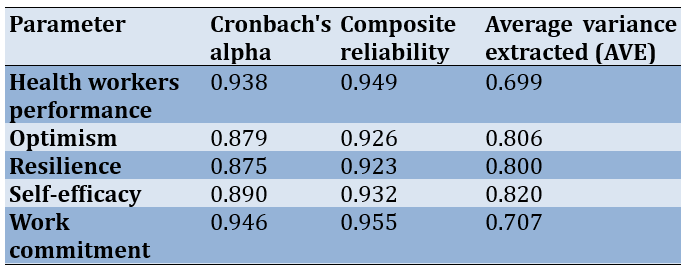
Most indicators are deemed valid for convergent validity, except for statement item M1.3.2, which was excluded from the indicator. Figure 1 indicates that the obtained loading factor value (>0.7) was valid. Statement item M1.3.2 was the sole exception, with a value of 0.551.
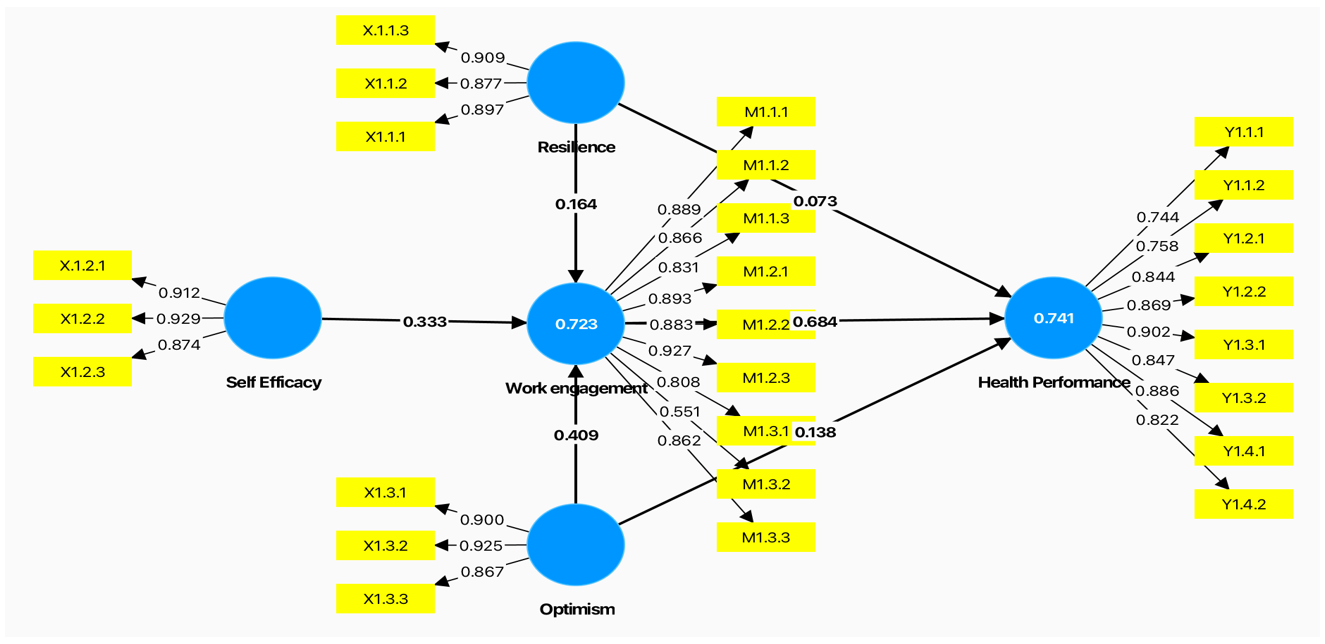
Figure 1. Outer loading test results (PLS algorithm)
The model fit test results indicated that both endogenous variables demonstrated strong predictive capabilities. The performance variable of health workers exhibited a Q² predict value of 0.613, an RMSE of 0.631, and an MAE of 0.484, indicating a relatively low prediction error rate. The Work Engagement variable demonstrated superior predictive power, evidenced by a Q2 predict of 0.726, an RMSE of 0.532, and an MAE of 0.361.
Inner model
The SEM-PLS analysis revealed that optimism significantly influenced work engagement (β=0.430; t=6.043; p=0.0001), whereas it did not impact the performance of health professionals (β=0.120; t=1.811; p=0.035). Resilience significantly influenced job participation (β=0.161; t=2.167; p=0.015), whereas its impact on health professionals' performance was not significant (β=0.074; t=1.184; p=0.118). Self-efficacy significantly influenced work engagement (β=0.318; t=5.366; p=0.0001). Job engagement significantly influenced the performance of health professionals (β=0.699; t=12.624; p=0.0001).
Optimism and resilience had minimal direct impact on performance; However, work engagement served as the primary mechanism through which personal resources influenced the performance of health professionals (Figure 2).
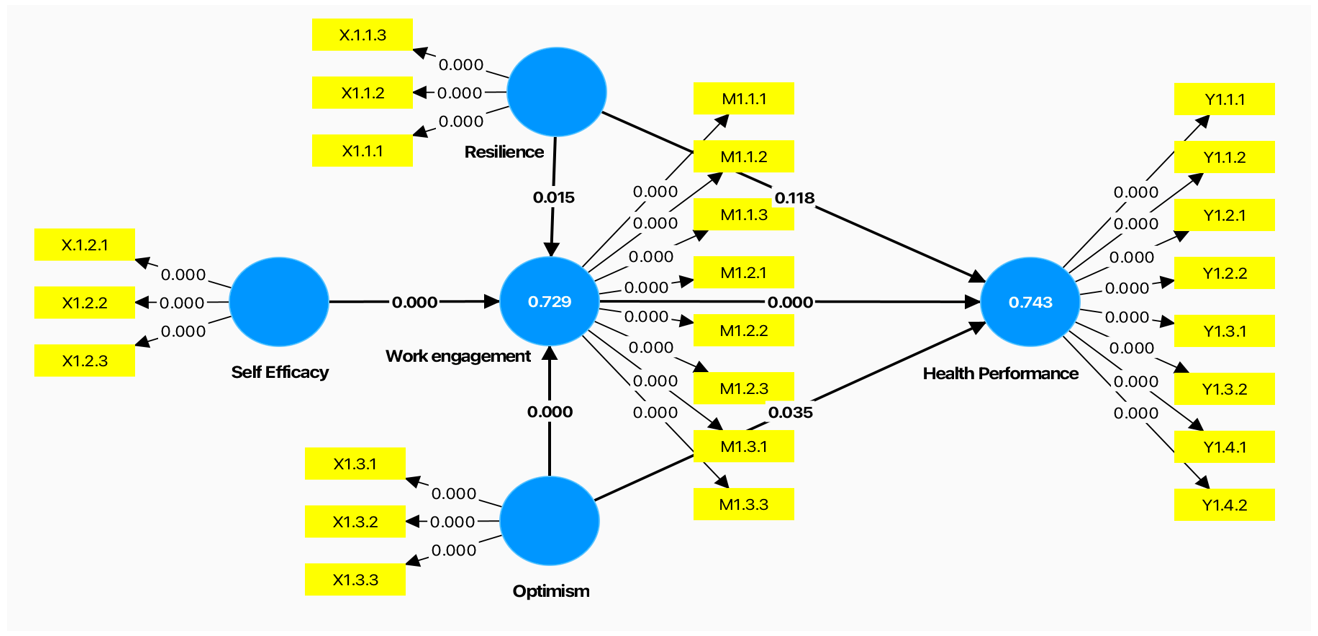
Figure 2. Output hypothesis testing model via PLS SEM bootstrapping
The mediation analysis indicated that work engagement significantly influenced the relationship between personal resources and health professionals' performance. Optimism significantly enhances performance, particularly through heightened job engagement, as evidenced by the substantial indirect effect of optimism on health professionals' performance via work engagement (β=0.301; t=5.423; p=0.0001). Work participation exhibited a significant indirect effect on resilience (β=0.113; t=2.181; p=0.015), albeit weaker than the effects observed in other categories of personal resources. In contrast, self-efficacy demonstrated a significant mediating effect (β=0.222; t=4.839; p=0.0001), suggesting that self-confidence among healthcare professionals is a vital predictor of enhanced work engagement, which, in turn, contributes to improved performance. The results indicate that work engagement serves as the critical connection between personal resources and the effectiveness of health professionals in primary care settings (Table 2).
Table 2. Path coefficient bootstrapping indirect effect results

Discussion
The findings indicate that health professionals' work engagement in health centers is significantly influenced by their personal resources, including optimism, resilience, and self-efficacy. These findings align with the Job Demands-Resources (JD-R) model, which posits that personal resources are crucial for initiating motivational processes that enhance performance [23-27]. The three criteria substantially affect work engagement; However, their direct effects on production are variable. Optimism, resilience, and self-efficacy have not been shown to have a significant impact on the job performance of health professionals, although self-efficacy enhances workplace engagement. This pattern indicates that the relationship between performance and personal resources is intricate and occurs indirectly through motivating psychological processes.
The descriptive analysis indicated that the statement "I try to keep a positive attitude toward patients even though the workload is high" exhibited the highest resilience indicator, with a mean value of 4.430. The medical personnel at the Health Center demonstrate effective workplace stress management. Their findings indicate that positivity can be maintained even in the face of challenging and complex services. This quality aligns with the concept of resilience, defined as the capacity for emotional stability and the ability to respond effectively in challenging work situations [25, 28-31].
Resilience did not have a direct impact on the performance of health professionals; However, the results of structural testing significantly affected work engagement. The findings support the JD-R model, which asserts that resilience and other personal resources are essential for improving psychological well-being and work motivation [20]. While resilience may not directly affect performance, previous research indicates that it enhances health professionals' engagement in their work [32, 33]. Within the framework of Primary health care, resilience serves as a psychological foundation that supports health professionals' motivation and engagement in their roles; however, resilience alone is insufficient to ensure exceptional performance without supplementary motivational reinforcement.
The maximum self-efficacy indicator from the descriptive analysis for the statement in dimension X1.2.2—"I believe in being able to take appropriate actions to treat patients, even in emergency situations or high work pressure"—exhibits the highest mean value of 4.181. This indicates that health professionals exhibit a high level of confidence in their clinical skills and decision-making, particularly under stressful conditions. This form of confidence aligns with the concept of self-efficacy, defined as the belief in one's ability to achieve goals despite challenges [34].
The analysts' findings indicate that self-efficacy does not have a direct impact on performance; However, it significantly influences work engagement. This tendency aligns with research suggesting that self-efficacy acts as a motivational factor that increases passion and engagement in the workplace [24]. Engagement and other influencing variables frequently act as mediators in their impact on performance [35, 36]. Healthcare workers exhibiting high self-confidence do not consistently achieve optimal performance unless such confidence fosters substantial and enduring engagement in the workplace.
The descriptive analysis indicates that the statement X1.3.1, "I believe that obstacles in health services at the Health Center can be overcome with good teamwork", has the highest mean of 4.519, indicating a strong level of optimism. This suggests that healthcare workers maintain an optimistic perspective on their work environments and believe that collaboration can overcome operational difficulties. The theory of psychological capital asserts that optimism functions as a source of psychological energy in the face of challenges, defined by a positive expectation of future outcomes [25].
The conclusions of the structural analysis, while not directly influencing performance, indicate that optimism is the most significant predictor of work engagement among human resources. Despite the often-unpredictable short-term effects on performance, these findings align with research demonstrating that optimism significantly improves work engagement and cultivates positive attitudes within organizations [37, 38]. This suggests that health professionals' optimism enhances motivation and work ethic rather than directly influencing job output.
Job engagement is a critical determinant of health professionals' performance and plays a significant role in various personal resource pathways. The analysis of indirect effects supports these findings, demonstrating that work engagement serves as a significant mediator in the relationship between personal resources and performance. The relationship between optimism and performance indicates that optimism enhances performance primarily when individuals are motivated and fully engaged in their tasks. Resilience enhances the performance of health professionals at work, contingent upon their continued dedication and interest in their roles, as indicated by the mediating effect of resilience. Self-efficacy had the greatest impact on mediation, indicating that self-confidence serves as a strategic psychological resource that fosters work engagement, thereby enhancing performance. The findings correspond with existing research suggesting that the most reliable approach to clarify the impact of personal resources on health sector performance is through engagement [27, 31].
Analyses of both direct and indirect effects indicate that personal resources tend to influence performance indirectly through work participation, rather than acting as direct predictors. In primary health care, characterized by diverse tasks and the necessity for rapid adaptation, this pattern indicates that work engagement is a significant psychological factor within the JD-R model. Health professionals with substantial personal resources who lack engagement will not perform optimally.
Conclusion
Self-efficacy, optimism, and resilience enhance work engagement among primary care health professionals, with self-efficacy emerging as the strongest contributor. Work engagement serves as the key mechanism linking personal resources to performance, while optimism and resilience show no significant direct effects on performance outcomes. These findings underscore the importance of strengthening self-efficacy and fostering supportive work environments to improve engagement and, ultimately, service performance.
Acknowledgments: The authors would like to express their sincere gratitude to the local health authorities and the management of primary health care centers in Kendari City, Southeast Sulawesi Province, Indonesia, for their support and cooperation during the data collection process. The authors also acknowledge all health workers who voluntarily participated in this study.
Ethical Permissions: This study received ethical approval from the Health Research Ethics Committee of the Regional Board of the Indonesian Public Health Association (KEPK-IAKMI; Approval Number: 254/KEPK-IAKMI/XII/2025).
Conflicts of Interests: The authors declare that there are no conflicts of interest related to the research, authorship, and/or publication of this article.
Authors' Contribution: Rahman R (First Author), Methodologist/Discussion Writer (45%); Patwayati P (Second Author), Methodologist/Assistant Researcher (25%); La Hatani LH (Third Author), Introduction Writer/Statistical Analyst (15%); Mahrani SW (Fourth Author), Assistant Researcher/Discussion Writer (15%)
Funding/Support: This research received no specific grant from any funding agency in the public, commercial, or not-for-profit sectors. The study was conducted as part of a doctoral dissertation, and all research-related expenses were self-funded and properly documented in accordance with institutional regulations.
The Alma-Ata Declaration of 1978 established that primary health care is essential for achieving universal health coverage and affirmed that health is a fundamental human right within the global health agenda [1-3]. Achieving the Sustainable Development Goals (SDGs) requires integrating three fundamental components: community empowerment, multisectoral policies and initiatives, and primary health care as the foundation of integrated services [4].
For primary health care to excel in service delivery, health workers must possess a comprehensive understanding of the community's conditions. However, it encounters significant challenges worldwide, particularly regarding competence, employment welfare, and unequal distribution [1, 5-7]. The World Health Organization projects a global deficit of approximately 10 million health workers by the year 2030. A significant proportion of these workers will be located in low-income countries, which account for approximately 25% of health workers while shouldering 80% of the disease burden. Conversely, 70% of healthcare professionals are located in developed nations [8-10].
By 2030, Southeast Asia, encompassing Bangladesh, Nepal, and Myanmar, will require an additional 1.9 million health professionals to enhance health coverage. These countries continue to experience a shortage of health workers, with an anticipated ratio of 22.8 per 10,000 individuals. Indonesia, India, and Sri Lanka continue to experience challenges related to uneven distribution [9-11].
Indonesia currently lacks a sufficient number of health experts, falling short of international standards. The national ratio of health professionals to population stands at 2.56 per 1,000 individuals, significantly below the WHO guideline of 4.45 per 1,000 individuals. The availability of doctors stands at 0.47 per 1,000 individuals, significantly below the minimum standard of 1 doctor per 1,000 individuals. This disparity directly affects primary care: 11.5% of health facilities lack sufficient medical personnel, and 4% lack any doctors. Southeast Sulawesi has a significant number of health facilities without medical doctors, indicating ongoing issues with healthcare distribution. This situation illustrates a deficiency in health workers and highlights inequities that may hinder the achievement of SPM and national health development objectives in the future [12, 13].
According to Minister of Health Regulation Number 43 of 2019, 166 out of 307 health facilities in Southeast Sulawesi (54.25%) lack the necessary health staff. A health center must include nine distinct categories of health personnel: Doctors, dentists, nurses, midwives, public health workers, environmental sanitation workers, laboratory analysts, nutrition workers, and pharmaceutical workers [14].
Kendari City, the capital of Southeast Sulawesi Province, currently has job vacancies for various health professionals across multiple health centers. The personnel consist of medical technicians at the Benu-Benua, Puuwatu, Perumnas, and Mokoau Health Centers; Dentists at the Wua-Wua Health Center; And environmental health and medical laboratories at the Mokoau Health Center [15].
Disparities among health professionals affect not only the quantity of services provided but also contribute to excessive strain, psychological stress, and burnout, all of which impact the delivery of health services [7, 10]. Achieving minimum service standards (SPM) provides a framework for evaluating service effectiveness by assessing structure, processes, and outcomes, thereby indicating the performance of health professionals at the Health Center [16]. However, the SPM indicators at the Kendari City Health Center remain below the national average.
According to the statistics, only a limited number of the 12 primary health care service indicators in Kendari City have achieved the national target of 80%. Services targeting pregnant women, new mothers, children, toddlers, individuals with severe ODGJ, diabetes mellitus, tuberculosis, and student health are approaching their objectives. Many services remain categorized as medium to low, particularly those addressing HIV, the elderly, individuals in their productive years, and high blood pressure. The overall quality of essential services has not met the 20% standard. The status reflects the necessity for enhancements in the quality and equitable distribution of essential services in Kendari City [17, 18].
Theoretical frameworks suggest that various factors, including organizational, psychological, and individual dimensions, influence performance phenomena [19]. The job demands-resources (JD-R) hypothesis elucidates the impact of the interplay between work demands and resources on the performance of health professionals. Excessive expectations coupled with insufficient resources can lead to workplace stress, emotional exhaustion, decreased engagement, and a decline in overall performance [20].
The subpar performance of the Kendari City Health Center on essential service indicators highlights the complex interplay among health professionals' individual competencies, the organizational context, and workplace support. Initial observations and field reports from researchers indicate a variety of symptoms related to inadequate personal resources and work environment factors that negatively affect health professionals' job attachment and performance. Symptoms include a substantial workload, necessitating the management of numerous patients within a limited timeframe, alongside extensive paperwork and the emotional burden associated with patient illness and family complaints. Additionally, some police officers continue to lack confidence in challenging situations.
Certain theories emphasize the structural support of organizations, whereas others highlight the significance of human agency, defined as individuals' capacity for self-regulation. Theories in positive psychology, including the Self-Determination Theory and the Conservation of Resources, posit that an individual's intrinsic strength is the principal factor influencing work engagement and performance. Organizational theory posits that individuals cannot maintain their performance levels without institutional support, which encompasses necessary work resources [21]. The findings from theoretical research and empirical observations demonstrate consistent discrepancies in previous studies, suggesting areas that have not been thoroughly investigated [22].
Additionally, numerous studies employing JD-R theory have been conducted in non-health sectors, which exhibit labor attributes distinct from those in primary health care. This project aimed to develop a model that incorporates work engagement and personal resources as mediators of health professionals' performance, thereby improving the quality of primary health care in both academic and practical settings.
Instrument and Methods
Design and participant
This research was conducted at inpatient and non-inpatient primary healthcare centers from July to December 2025, among all health professionals employed at public primary health care centers (Puskesmas) in Kendari City, Southeast Sulawesi Province, Indonesia (1,080 individuals). The required sample size was calculated using the Slovin formula with a 5% margin of error, yielding a minimum sample size of 292 respondents.
To ensure proportional representation across health care facilities, the sample was allocated using a proportional stratified random sampling technique. Based on this, the final sample consisted of 10 physicians, 6 dentists, 77 nurses, 86 midwives, 19 pharmacy personnel, 18 nutritionists, 13 environmental health officers, 48 health promotion officers, 10 medical laboratory technologists, and 6 medical and biomedical technical staff.
Participants included in this study were required to meet the following inclusion criteria: 1) being employed as a health professional—either as a civil servant or government contract employee—at a public primary health care center in Kendari City; 2) belonging to one of the professional categories specified in the sampling frame, including physicians, dentists, nurses, midwives, pharmacy personnel, nutritionists, environmental health officers, health promotion officers, medical laboratory technologists, and medical and biomedical technical staff; 3) having a minimum of one year of work experience; And 4) providing written informed consent indicating voluntary participation in the research.
Research instrument
The research instrument consisted of a previously validated structured questionnaire. The instrument was designed to assess personal resources, work engagement, and health worker performance in primary health care centers. All items were formulated as closed-ended statements and rated on a five-point Likert scale ranging from 1 (strongly disagree) to 5 (strongly agree). A pilot test with 30 respondents was conducted to evaluate the questionnaire's measurement properties. Instrument validity was examined using Pearson’s Product-Moment correlation, applying a threshold coefficient of ≥0.3 with a significance level of α≤0.05. Reliability was assessed using Cronbach’s Alpha and Composite Reliability; values≥0.7 indicate acceptable internal consistency. The results confirmed that all items and constructs met the established criteria for validity and reliability, supporting the use of the instrument in this research.
Data collection
After obtaining institutional authorization and informed consent, data were collected through face-to-face questionnaire administration to maximize response completeness and data accuracy. Ethical principles, including voluntary participation, anonymity, and confidentiality, were strictly observed throughout the data collection process, in accordance with established research ethics guidelines.
Statistical analysis
The data were analyzed using Structural Equation Modeling with Partial Least Squares (SEM-PLS) implemented in SmartPLS version 4.0. The analytical procedure followed a two-step approach. First, the measurement model was evaluated to establish internal consistency reliability and to confirm convergent and discriminant validity. Second, the structural model was examined to assess hypothesized relationships, including the mediating role of work engagement.
Findings
Outer model
The Cronbach's alpha score of ≥0.7 indicated that all variables were highly reliable (Table 1).
Table 1. Construct reliability and validity
Most indicators are deemed valid for convergent validity, except for statement item M1.3.2, which was excluded from the indicator. Figure 1 indicates that the obtained loading factor value (>0.7) was valid. Statement item M1.3.2 was the sole exception, with a value of 0.551.
Figure 1. Outer loading test results (PLS algorithm)
The model fit test results indicated that both endogenous variables demonstrated strong predictive capabilities. The performance variable of health workers exhibited a Q² predict value of 0.613, an RMSE of 0.631, and an MAE of 0.484, indicating a relatively low prediction error rate. The Work Engagement variable demonstrated superior predictive power, evidenced by a Q2 predict of 0.726, an RMSE of 0.532, and an MAE of 0.361.
Inner model
The SEM-PLS analysis revealed that optimism significantly influenced work engagement (β=0.430; t=6.043; p=0.0001), whereas it did not impact the performance of health professionals (β=0.120; t=1.811; p=0.035). Resilience significantly influenced job participation (β=0.161; t=2.167; p=0.015), whereas its impact on health professionals' performance was not significant (β=0.074; t=1.184; p=0.118). Self-efficacy significantly influenced work engagement (β=0.318; t=5.366; p=0.0001). Job engagement significantly influenced the performance of health professionals (β=0.699; t=12.624; p=0.0001).
Optimism and resilience had minimal direct impact on performance; However, work engagement served as the primary mechanism through which personal resources influenced the performance of health professionals (Figure 2).
Figure 2. Output hypothesis testing model via PLS SEM bootstrapping
The mediation analysis indicated that work engagement significantly influenced the relationship between personal resources and health professionals' performance. Optimism significantly enhances performance, particularly through heightened job engagement, as evidenced by the substantial indirect effect of optimism on health professionals' performance via work engagement (β=0.301; t=5.423; p=0.0001). Work participation exhibited a significant indirect effect on resilience (β=0.113; t=2.181; p=0.015), albeit weaker than the effects observed in other categories of personal resources. In contrast, self-efficacy demonstrated a significant mediating effect (β=0.222; t=4.839; p=0.0001), suggesting that self-confidence among healthcare professionals is a vital predictor of enhanced work engagement, which, in turn, contributes to improved performance. The results indicate that work engagement serves as the critical connection between personal resources and the effectiveness of health professionals in primary care settings (Table 2).
Table 2. Path coefficient bootstrapping indirect effect results
Discussion
The findings indicate that health professionals' work engagement in health centers is significantly influenced by their personal resources, including optimism, resilience, and self-efficacy. These findings align with the Job Demands-Resources (JD-R) model, which posits that personal resources are crucial for initiating motivational processes that enhance performance [23-27]. The three criteria substantially affect work engagement; However, their direct effects on production are variable. Optimism, resilience, and self-efficacy have not been shown to have a significant impact on the job performance of health professionals, although self-efficacy enhances workplace engagement. This pattern indicates that the relationship between performance and personal resources is intricate and occurs indirectly through motivating psychological processes.
The descriptive analysis indicated that the statement "I try to keep a positive attitude toward patients even though the workload is high" exhibited the highest resilience indicator, with a mean value of 4.430. The medical personnel at the Health Center demonstrate effective workplace stress management. Their findings indicate that positivity can be maintained even in the face of challenging and complex services. This quality aligns with the concept of resilience, defined as the capacity for emotional stability and the ability to respond effectively in challenging work situations [25, 28-31].
Resilience did not have a direct impact on the performance of health professionals; However, the results of structural testing significantly affected work engagement. The findings support the JD-R model, which asserts that resilience and other personal resources are essential for improving psychological well-being and work motivation [20]. While resilience may not directly affect performance, previous research indicates that it enhances health professionals' engagement in their work [32, 33]. Within the framework of Primary health care, resilience serves as a psychological foundation that supports health professionals' motivation and engagement in their roles; however, resilience alone is insufficient to ensure exceptional performance without supplementary motivational reinforcement.
The maximum self-efficacy indicator from the descriptive analysis for the statement in dimension X1.2.2—"I believe in being able to take appropriate actions to treat patients, even in emergency situations or high work pressure"—exhibits the highest mean value of 4.181. This indicates that health professionals exhibit a high level of confidence in their clinical skills and decision-making, particularly under stressful conditions. This form of confidence aligns with the concept of self-efficacy, defined as the belief in one's ability to achieve goals despite challenges [34].
The analysts' findings indicate that self-efficacy does not have a direct impact on performance; However, it significantly influences work engagement. This tendency aligns with research suggesting that self-efficacy acts as a motivational factor that increases passion and engagement in the workplace [24]. Engagement and other influencing variables frequently act as mediators in their impact on performance [35, 36]. Healthcare workers exhibiting high self-confidence do not consistently achieve optimal performance unless such confidence fosters substantial and enduring engagement in the workplace.
The descriptive analysis indicates that the statement X1.3.1, "I believe that obstacles in health services at the Health Center can be overcome with good teamwork", has the highest mean of 4.519, indicating a strong level of optimism. This suggests that healthcare workers maintain an optimistic perspective on their work environments and believe that collaboration can overcome operational difficulties. The theory of psychological capital asserts that optimism functions as a source of psychological energy in the face of challenges, defined by a positive expectation of future outcomes [25].
The conclusions of the structural analysis, while not directly influencing performance, indicate that optimism is the most significant predictor of work engagement among human resources. Despite the often-unpredictable short-term effects on performance, these findings align with research demonstrating that optimism significantly improves work engagement and cultivates positive attitudes within organizations [37, 38]. This suggests that health professionals' optimism enhances motivation and work ethic rather than directly influencing job output.
Job engagement is a critical determinant of health professionals' performance and plays a significant role in various personal resource pathways. The analysis of indirect effects supports these findings, demonstrating that work engagement serves as a significant mediator in the relationship between personal resources and performance. The relationship between optimism and performance indicates that optimism enhances performance primarily when individuals are motivated and fully engaged in their tasks. Resilience enhances the performance of health professionals at work, contingent upon their continued dedication and interest in their roles, as indicated by the mediating effect of resilience. Self-efficacy had the greatest impact on mediation, indicating that self-confidence serves as a strategic psychological resource that fosters work engagement, thereby enhancing performance. The findings correspond with existing research suggesting that the most reliable approach to clarify the impact of personal resources on health sector performance is through engagement [27, 31].
Analyses of both direct and indirect effects indicate that personal resources tend to influence performance indirectly through work participation, rather than acting as direct predictors. In primary health care, characterized by diverse tasks and the necessity for rapid adaptation, this pattern indicates that work engagement is a significant psychological factor within the JD-R model. Health professionals with substantial personal resources who lack engagement will not perform optimally.
Conclusion
Self-efficacy, optimism, and resilience enhance work engagement among primary care health professionals, with self-efficacy emerging as the strongest contributor. Work engagement serves as the key mechanism linking personal resources to performance, while optimism and resilience show no significant direct effects on performance outcomes. These findings underscore the importance of strengthening self-efficacy and fostering supportive work environments to improve engagement and, ultimately, service performance.
Acknowledgments: The authors would like to express their sincere gratitude to the local health authorities and the management of primary health care centers in Kendari City, Southeast Sulawesi Province, Indonesia, for their support and cooperation during the data collection process. The authors also acknowledge all health workers who voluntarily participated in this study.
Ethical Permissions: This study received ethical approval from the Health Research Ethics Committee of the Regional Board of the Indonesian Public Health Association (KEPK-IAKMI; Approval Number: 254/KEPK-IAKMI/XII/2025).
Conflicts of Interests: The authors declare that there are no conflicts of interest related to the research, authorship, and/or publication of this article.
Authors' Contribution: Rahman R (First Author), Methodologist/Discussion Writer (45%); Patwayati P (Second Author), Methodologist/Assistant Researcher (25%); La Hatani LH (Third Author), Introduction Writer/Statistical Analyst (15%); Mahrani SW (Fourth Author), Assistant Researcher/Discussion Writer (15%)
Funding/Support: This research received no specific grant from any funding agency in the public, commercial, or not-for-profit sectors. The study was conducted as part of a doctoral dissertation, and all research-related expenses were self-funded and properly documented in accordance with institutional regulations.
References
1. Van Iseghem T, Jacobs I, Vanden Bossche D, Delobelle P, Willems S, Masquillier C, et al. The role of community health workers in primary healthcare in the WHO-EU region: A scoping review. Int J Equity Health. 2023;22(1):134. [Link] [DOI:10.1186/s12939-023-01944-0]
2. Alma-Ata. International conference on primary health care, Alma-Ata, USSR, 6-12 September 1978. Almaty: Declaration of Alma-Ata; 1978. [Link]
3. Bloom G. Universal health coverage and primary healthcare: Lessons from Japan: Comment on "achieving universal health coverage by focusing on primary care in Japan: Lessons for low- and middle-income countries". Int J Health Policy Manag. 2016;6(4):229-31. [Link] [DOI:10.15171/ijhpm.2016.120]
4. Allen LN, Pettigrew LM, Exley J, Nugent R, Balabanova D, Villar-Uribe M, et al. The role of primary health care, primary care and hospitals in advancing universal health coverage. BMJ Glob Health. 2023; 8(12):e014442. [Link] [DOI:10.1136/bmjgh-2023-014442]
5. Agarwal S, Sripad P, Johnson C, Kirk K, Bellows B, Ana J, et al. A conceptual framework for measuring community health workforce performance within primary health care systems. Hum Resour Health. 2019;17(1):86. [Link] [DOI:10.1186/s12960-019-0422-0]
6. Perry HB, Zulliger R, Rogers MM. Community health workers in low-, middle-, and high-income countries: An overview of their history, recent evolution, and current effectiveness. Annu Rev Public Health. 2014;35:399-421. [Link] [DOI:10.1146/annurev-publhealth-032013-182354]
7. Schneider H, Lehmann U. From community health workers to community health systems: Time to widen the horizon?. Health Syst Reform. 2016;2(2):112-8. [Link] [DOI:10.1080/23288604.2016.1166307]
8. WHO. Community health workers: A strategy to ensure access to primary health care services. Geneva: World Health Organization; 2016. [Link]
9. WHO. State of the world's nursing 2020: Investing in education, jobs and leadership. Geneva: World Health Organization; 2020. [Link]
10. WHO. Universal health coverage global monitoring report 2023. Geneva: World Health Organization; 2024. [Link]
11. World Health Organization. Health workforce in the South-East Asia Region. Review of trends and challenges. New Delhi: WHO Regional Office for South-East Asia; 2023. Available from: https://www.who.int/southeastasia. [Link]
12. Ministry of Health of the Republic of Indonesia. Projected national health human resources needs in 2025. Jakarta: Ministry of Health of the Republic of Indonesia; 2025. [Indonesian] [Link]
13. Ministry of Health of the Republic of Indonesia. Indonesia Health Profile in 2022. Jakarta: Ministry of Health of the Republic of Indonesia; 2023. [Indonesian] [Link]
14. South Sulawesi Health Office. Health profile of Southeast Sulawesi Province in 2022. Kendari: South Sulawesi Health Office; 2023. [Indonesian] [Link]
15. Kendari City Health Office. Profile of the Kendari City Health Office. Kendari: Kendari City Health Office; 2021. [Indonesian] [Link]
16. Donabedian A. The quality of care: How can it be assessed?. JAMA. 1988;260(12):1743-8. [Link] [DOI:10.1001/jama.1988.03410120089033]
17. Ministry of Health of the Republic of Indonesia. Minister of Health Regulation No. 43 of 2019 concerning primary health care. Jakarta: Ministry of Health of the Republic of Indonesia; 2019. [Indonesian] [Link]
18. Kendari City Health Office. Kendari City Health Profile 2022. Kendari: Kendari City Health Office; 2023. [Indonesian] [Link]
19. Gibson JL, Ivancevich JM, Konopaske R. Organizations: Behavior, structure, processes. 14th ed. Columbus: McGraw-Hill; 2012. [Link]
20. Bakker AB, Demerouti E. Job demands-resource theory: Taking stock and looking forward. J Occup Health Psychol. 2017;22(3):273-85. [Link] [DOI:10.1037/ocp0000056]
21. Hobfoll SE. Conservation of resources theory: Its implication for stress, health, and resilience. In: Folkman S, editor. The Oxford handbook of stress, health, and coping. Oxford: Oxford University Press; 2018. [Link]
22. Inceoglu I, Fleck S. Engagement as a motivational construct. In: Handbook of employee engagement. Cheltenham: Elgar Publishing; 2010. [Link] [DOI:10.4337/9781849806374.00012]
23. Xanthopoulou D, Bakker AB, Demerouti E, Schaufeli WB. The role of personal resources in the job demands-resources model. Int J Stress Manag. 2007;14(2):121-41. [Link] [DOI:10.1037/1072-5245.14.2.121]
24. Xanthopoulou D, Bakker AB, Demerouti E, Schaufeli WB. Reciprocal relationships between job resources, personal resources, and work engagement. J Vocat Behav. 2009;74(3):235-44. [Link] [DOI:10.1016/j.jvb.2008.11.003]
25. Luthans F, Youssef CM, Avolio BJ. Psychological capital: Developing the human competitive edge. Oxford: University Press; 2007. [Link] [DOI:10.1093/acprof:oso/9780195187526.001.0001]
26. Carver CS, Scheier MF. Optimism and psychological well-being. In: Seligman M, editor. Positive psychology. New York: Guilford Press; 2014. pp. 23-42. [Link]
27. Baker AB. An evidence-based model of work engagement. Curr Dir Psychol Sci. 2011;20(4):265-9. [Link] [DOI:10.1177/0963721411414534]
28. Armstrong M, Baron A. Performance management: The new realities. London: CIPD Publishing; 1998. [Link]
29. Rich BL, Lepine JA, Crawford ER. Job engagement: Antecedents and effects on job performance. Acad Manag J. 2010;53(3):617-35. [Link] [DOI:10.5465/amj.2010.51468988]
30. Sekaran U, Bougie R. Research methods for business: A skill-building approach. 8th ed. Chichester: John Wiley & Sons; 2019. [Link]
31. Demerouti E, Bakker AB. Job demands-resource theory in times of crises: New propositions. Organ Psychol Rev. 2023;13(3):209-36. [Link] [DOI:10.1177/20413866221135022]
32. Hartmann S, Weiss M, Newman A, Hoegl M. Resilience in healthcare professionals: A systematic review. J Adv Nurs. 2022;78(2):403-17. [Link]
33. Salanova M, Schaufeli WB, Xanthopoulou D, Bakker AB. The role of personal resources in the job demands-resources model. J Occup Health Psychol. 2010;15(2):121-41. [Link]
34. Bandura A. Self-efficacy: The exercise of control. New York: Freeman; 1997. [Link]
35. Li J, Ghosh R, Nachmias S. Self-efficacy, work engagement, and job performance: A moderated mediation model. Personnel Rev. 2020;49(9):1992-2009. [Link]
36. Sons of INT, Wong H, Idris A. The role of self-efficacy in predicting engagement and performance among health workers. Int J Healthcare Manag. 2021;14(3):1-8. [Link]
37. Avey JB, Reichard RJ, Luthans F, Mhatre KH. Meta‐analysis of the impact of positive psychological capital on employee attitudes, behaviors, and performance. Hum Resour Dev Q. 2011;22(2):127-52. [Link] [DOI:10.1002/hrdq.20070]
38. Lu H, Zhao Y, While A. Job satisfaction and optimism as predictors of work engagement among nurses. J Nurs Manag. 2022;30(4):857-867. [Link]
Send email to the article author