

TMU
Owner
Tarbiat Modares University (TMU) is the owner of HEHP.

0.8
Cite Score 2025
Volume 14, Issue 1 (2026)
Health Educ Health Promot 2026, 14(1): 19-27 |
Back to browse issues page
Article Type:




History
Received: 2025/12/1 | Accepted: 2025/12/24 | Published: 2025/11/19
Received: 2025/12/1 | Accepted: 2025/12/24 | Published: 2025/11/19
How to cite this article
Syam A, Fadli F, Syam A, Amelia A, Toaha A. Validation of Mobile Application Usability Questionnaire for Evaluation of Usability of the Mommy-Be Application in Indonesia. Health Educ Health Promot 2026; 14 (1) :19-27
URL: http://hehp.daneshafarand.org/article-4-83009-en.html
URL: http://hehp.daneshafarand.org/article-4-83009-en.html
Download citation:
BibTeX | RIS | EndNote | Medlars | ProCite | Reference Manager | RefWorks
Send citation to:


Rights and permissions
BibTeX | RIS | EndNote | Medlars | ProCite | Reference Manager | RefWorks
Send citation to:


Keywords:
| Abstract (HTML) (1391 Views)
Full-Text: (129 Views)
Introduction
Breastfeeding is a key public health priority because it supports optimal infant growth and development, helps protect infants against infection [1-3], and benefits maternal health [4, 5]. Although exclusive breastfeeding for the first six months is strongly recommended, early discontinuation remains common. Mothers often face multiple interacting challenges, including perceived insufficient milk supply, difficulties with latch or milk expression, pain, fatigue, pressure to introduce formula, and return to work [6-9]. The quality and timeliness of breastfeeding counseling and social support can influence how mothers respond to these challenges. Therefore, interventions that provide accessible education and practical problem-solving support remain important.
Mobile health (mHealth) has become an increasingly important channel for delivering health education, self-management support, and behavior change interventions through smartphones and other mobile devices [1-5]. In maternal and child health, mobile applications are widely used to provide pregnancy and postpartum information, reminders, interactive learning materials, and peer support, complementing routine services [6, 7]. For breastfeeding mothers, timely, practical guidance is often needed outside clinic hours, and mHealth can offer low-cost, on-demand access to information and support. When apps are designed to fit mothers' needs and daily routines, they can strengthen confidence, reduce avoidable problems, and improve the continuity of recommended practices [7-9]. One application developed for this purpose is Mommy-Be [10], which aims to support breastfeeding mothers through digital application-based guidance specifically in the middle area of Indonesia.
In Indonesia, the development of maternal health and breastfeeding applications is expanding [10, 11], but usability evaluation is not always conducted using validated instruments. Some studies rely on generic tools such as the System Usability Scale (SUS) or on self-developed questionnaires and ad hoc items. Generic tools can support broad comparisons across software systems, but they may not fully capture usability aspects important to mHealth applications, such as usefulness for health-related tasks, satisfaction with the information layout, and support for behavior change in real-life settings [11]. Self-developed questionnaires can be tailored to a specific app, but without psychometric validation, their results are difficult to interpret and compare across studies.
Given Indonesia's diverse geography and varying access to health services, mobile applications may also help reduce inequities in information delivery. Mothers living in rural or remote areas may have fewer opportunities for in-person lactation counseling, and clinic visits can be limited by travel costs and time. At the same time, variation in smartphone experience and digital literacy means that applications must be intuitive and low-burden. An app that requires complex steps or uses unfamiliar terms may discourage use, especially among mothers who are already managing fatigue, household responsibilities, and infant care. For this reason, usability assessment is a critical step before recommending an app as part of a health promotion strategy.
Previous studies have shown that adopting mHealth applications often faces challenges in terms of usability and user satisfaction with the features offered [11, 12]. Therefore, a comprehensive evaluation is needed to measure the extent to which these applications can meet user needs and function well in certain contexts [13, 14]. To assess the usability of the Mommy-Be application, the Mobile Application Usability Questionnaire (MAUQ) instrument was used, previously developed by Zhou et al. [15] and translated into Malay [16] and adapted for use in Indonesia.
The mHealth App Usability Questionnaire (MAUQ) was developed to address the need for a reliable and valid instrument specifically designed for evaluating mHealth applications. The MAUQ provides four versions to match key usage contexts: Interactive versus standalone applications, and patient versus provider users. For the standalone patient version, the MAUQ comprises 18 items grouped into three dimensions: ease of use (5 items), interface and satisfaction (7 items), and usefulness (6 items). Items are rated on a 7-point Likert scale from 1 (strongly disagree) to 7 (strongly agree), where higher scores indicate better perceived usability. Previous validation studies reported good psychometric properties for the MAUQ, including strong internal consistency for the standalone version and evidence of construct and criterion validity.
MAUQ has been translated into other languages, such as Malay [16], which provides useful prior evidence and methodological foundation for adaptation. However, linguistic similarity does not guarantee measurement equivalence, and Indonesian users may interpret some items differently because of differences in expressions, culture, and the local app context. Establishing validity evidence in Indonesia is, therefore, necessary to ensure that the Indonesian MAUQ version measures the intended usability dimensions, supports reliable score interpretation, and enables meaningful comparisons across mHealth applications.
The MAUQ instrument was chosen for adaptation and translation into Indonesian because it offers advantages for measuring various aspects of mHealth application usability, including ease of use, satisfaction with the interface, and overall application usability. This instrument has been validated in several previous studies [15-18], including in the context of mHealth applications in Malaysia, thus providing a strong theoretical basis for use in a similar context in Indonesia. MAUQ is considered relevant for evaluating the Mommy-Be application because it covers important dimensions of the user experience when interacting with digital health applications. The process of adapting the MAUQ instrument to the Indonesian language was carried out with consideration of language and cultural differences to better describe the perceptions and experiences of Indonesian users. The selection of the MAUQ instrument was also based on its relevance to the experience of mHealth application users in Malaysia, which has cultural similarities with Indonesia, so this instrument is expected to be easier to adapt.
Nevertheless, translation alone is not sufficient when an instrument is applied in a new language and context. Cross-cultural adaptation is needed because literal translation may not preserve the same meaning, and because technology use patterns, digital literacy, and expectations about app features can differ between settings. For example, items referring to internet connectivity, the suitability of app use in social situations, or expectations about app functions may be interpreted differently depending on local infrastructure and the specific scope of the application being evaluated. A culturally adapted instrument can help ensure that usability scores reflect the intended constructs and support valid conclusions for decision-making and future development.
In response to the need for accessible breastfeeding support, we developed Mommy-Be, a mobile app that provides educational content and practical guidance to breastfeeding mothers in Indonesia. The application was designed to provide information and recommendations that mothers can use during everyday breastfeeding situations, including when professional support is not immediately available. Before broader implementation and potential scale-up, it is necessary to evaluate whether mothers can use the application effectively and comfortably, and whether the instrument used to assess usability is valid for this context.
Therefore, this pilot study aimed to adapt and validate the MAUQ for evaluating the usability of the Mommy-Be application among breastfeeding mothers in Indonesia. Specifically, we assessed the construct validity of the adapted MAUQ using Confirmatory Factor Analysis (CFA) and evaluated the adequacy of model fit in the Indonesian context. By providing initial validity evidence for the Indonesian version of the MAUQ, this study was expected to support future usability studies of mHealth applications and to guide the refinement of Mommy-Be to better fit users' needs.
Instrument and Methods
This descriptive instrument-based study was conducted from July to September 2023. Because the main psychometric analysis in this pilot study was a CFA, we followed the commonly used rule of thumb of at least 10 participants per item for factor analysis/validation studies. The standalone patient version of MAUQ contains 18 items; therefore, the minimum target sample was 180 participants (18 items x 10). To increase the stability of parameter estimates and to account for non-response and incomplete questionnaires, we invited 400 mothers. A total of 386 mothers completed the questionnaire and were included in the analysis.
The sample in this study consisted of breastfeeding mothers who used the Mommy-Be application. Participants were recruited from two Community Health Centers (Puskesmas) in Makassar City (Pattingaloang and Tamalate). Eligible participants were breastfeeding mothers with a smartphone who were willing to download and use Mommy-Be. Mothers who reported a prior diagnosis of mental disorders were excluded.
The Mobile Application Usability Questionnaire consists of 18 items to measure three dimensions: Ease of use, interface satisfaction, and application usability [16]. This research was conducted at several primary health centers in Makassar City, South Sulawesi, the location of the Mommy-Be application research project. The selection of this location was based on the potential and need for lactation support for breastfeeding mothers in the area. During the research, breastfeeding mothers in this village were supported in adapting to the Mommy-Be application. The adaptation process and pilot testing of this application lasted for two weeks. During this period, participants were given video tutorials on registering and navigating the application, as well as limited support from research assistants to help them use the application until they could master its features. After two weeks of use, participants were asked to complete a questionnaire to assess their experience with the Mommy-Be application. Mothers who responded to the request were then given a link to download the application along with installation instructions. This study does not set strict qualifications, as it is a pilot study for an application trial. What is certain is that mothers must have babies under two years old and be breastfeeding, be able to use Android-based applications, have an Android cellphone, and have never been recorded or diagnosed with mental disorders before.
The original MAUQ development study reported strong internal consistency for the standalone 18-item version (overall Cronbach alpha=0.914; Ease of use alpha=0.847; Interface and satisfaction alpha=0.908; Usefulness alpha=0.717) and evidence of construct and criterion validity [15]. The Malay validation study also demonstrated good validity evidence (content and face validity indices) and high internal consistency (Cronbach alpha for 18 items=0.946) [16]. In this pilot study, we evaluated the construct validity of the adapted Indonesian MAUQ using confirmatory factor analysis [17]. Each item was rated on a 7-point Likert scale from 1 (strongly disagree) to 7 (strongly agree). Subscale scores were calculated as the mean of the items within each dimension, and the overall usability score was calculated as the mean of all items. Higher scores indicated better perceived usability of the application.
The instrument used in this study was the mHealth App Usability Questionnaire (MAUQ) for standalone mHealth apps (patient version) [15], which we adapted into Indonesian based on the Malay MAUQ (M-MAUQ) [17] for the Mommy-Be application. The standalone patient MAUQ contains 18 items grouped into three dimensions: Ease of use (5 items), interface and satisfaction (7 items), and usefulness (6 items).
Data analysis
Confirmatory factor analysis (CFA) was conducted to evaluate the construct validity of the adapted MAUQ in the Mommy-Be context. CFA was performed using IBM SPSS AMOS. Model fit was assessed using multiple indices, including chi-square and degrees of freedom, Goodness-of-Fit Index (GFI), Comparative Fit Index (CFI), Tucker-Lewis Index (TLI), and the Root Mean Square Error of Approximation (RMSEA). As commonly applied in validation studies, acceptable fit was considered when CFI and TLI approached or exceeded 0.90, GFI approached or exceeded 0.90, and RMSEA was below approximately 0.08. When needed, model modification was guided by standard CFA diagnostics (e.g., modification indices) while maintaining conceptual consistency of the factors.
Findings
The majority of mothers were young to middle-aged and came from middle- to upper-socioeconomic classes, with education mostly at the diploma or bachelor's level. The composition of housewives and working mothers was almost balanced. Most mothers cared for very young babies, especially those aged 0-6 months, and most gave birth spontaneously. These data show a diverse population in terms of age, socio-economic status, education, and method of delivery, providing a good representation to understand the dynamics of breastfeeding mothers in this context (Table 1).
An initial CFA was conducted to test the 18-item, three-factor MAUQ structure for the Mommy-Be application. The initial model fit indices were Chi-Square=407.071, df=132, p<0.001, GFI=0.890, CFI=0.949, TLI=0.941, and RMSEA=0.073 (Figure 1). Based on the results of this model test, several items were found with high Modification Indices (MI), so it was deemed necessary to review the relationship between items and remove items that caused unnecessary error correlations. Given that this is the first model, some items may be less relevant to measuring the desired construct.
Table 1. Participant characteristics (n=386)
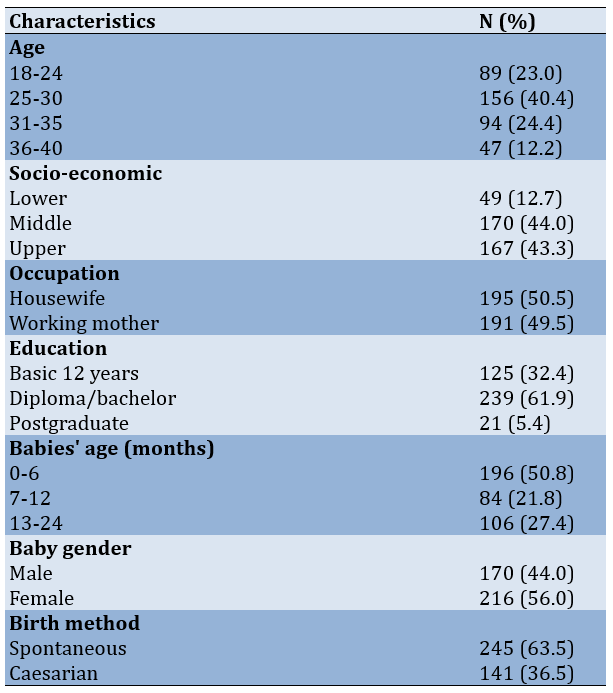
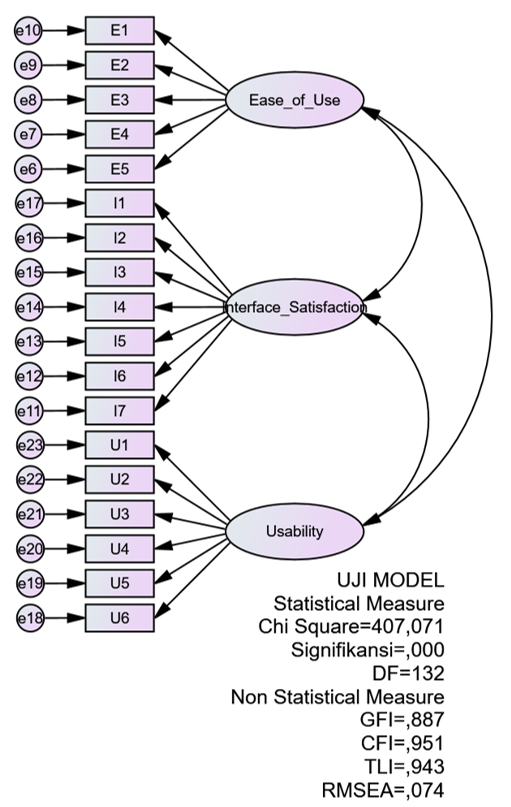
Figure 1. First model result of MAUQ adoption
In the early stages of this study, the first model was compiled using all items adapted from the MAUQ instrument to measure Ease of Use, Interface Satisfaction, and Usability of the Mommy-Be application. However, the results of the Confirmatory Factor Analysis on the initial model showed several fit indices that did not meet ideal criteria, although several indices were close to a good fit. Based on the MI results, several items were identified as sources of inconsistency in the model. These items had high MI, indicating unexpected error correlations with other items. For example, item E4, which assesses the application interface's ability to support all functions; item I5, which measures the suitability of the time spent using the application; and item U5, which assesses the application's ability to function without an internet connection. After considering the real conditions of the Mommy-Be application, these items were considered less relevant to measure in this context, due to the limitations of the application that cannot function without an internet connection, as well as the usage time, which tends to be longer because the application is still in the early trial stage.
Here are some strong reasons why items related to the Mommy-Be application were deleted: Deletion of Item E4: "The app's interface allowed me to use all the functions offered by the app": This item was considered irrelevant in the context of the Mommy-Be application trial because some of the application's functions could not be fully explored by breastfeeding mothers during the short trial period. For example, several baby growth-monitoring menus and periodic postpartum depression screening features in the application have not been fully explored by users in the limited time available. Deleting this item is expected to improve model fit because items that are not fully relevant or that respondents cannot answer well can increase error variability and interfere with the representation of the factors being measured.
Deletion of Item I5: “The amount of time involved in using this app has been fitting for me.” Given that the Mommy-Be app is new, the time it takes breastfeeding mothers to learn and use it may be longer than they expected. Therefore, the question of the appropriateness of the time required to use this app may be less relevant to measure in the early stages of app introduction. Deleting this item is expected to help reduce data noise caused by users’ perceptions of the time required to learn a new app. This, in turn, improves the model fit as only more appropriate and relevant items remain to measure Interface Satisfaction.
Removal of Item U5: "I could use the app even when the Internet connection was poor or unavailable": One of the main limitations of the Mommy-Be app is its reliance on an Internet connection. Given that the app was not designed to function offline, this item is not relevant to the actual user experience. Asking about the app's ability to function without an Internet connection could lead to a mismatch between user perceptions and app performance. Removing this item from the Usability factors is expected to help align the measurements with the app's actual technical capabilities, thereby reducing model mismatch. This allows the model to focus more on usability aspects relevant to the app's context of use.
These items were removed because they did not reflect the actual conditions and user experiences during the application trial. This is important to ensure that the remaining items truly reflect the user's perception of the application's usability, not external factors such as technical limitations or limited time. Removing irrelevant items is expected to reduce variability caused by inaccurate perceptions, thereby allowing the model to better measure the constructs of Ease of Use, Interface Satisfaction, and Usability. Thus, the model fit value increases because the model is a better representative of the existing data.
After model diagnostics, two items (I5 and U5) were removed, and the CFA was re-estimated. The modified 16-item model retained three factors (Ease of Use: 4 items; Interface and Satisfaction: 6 items; Usefulness: 5 items) and showed improved fit: Chi-square=255.712, df=101, p<0.001, GFI=0.925, CFI=0.972, TLI=0.966, and RMSEA=0.062 (Figure 2).
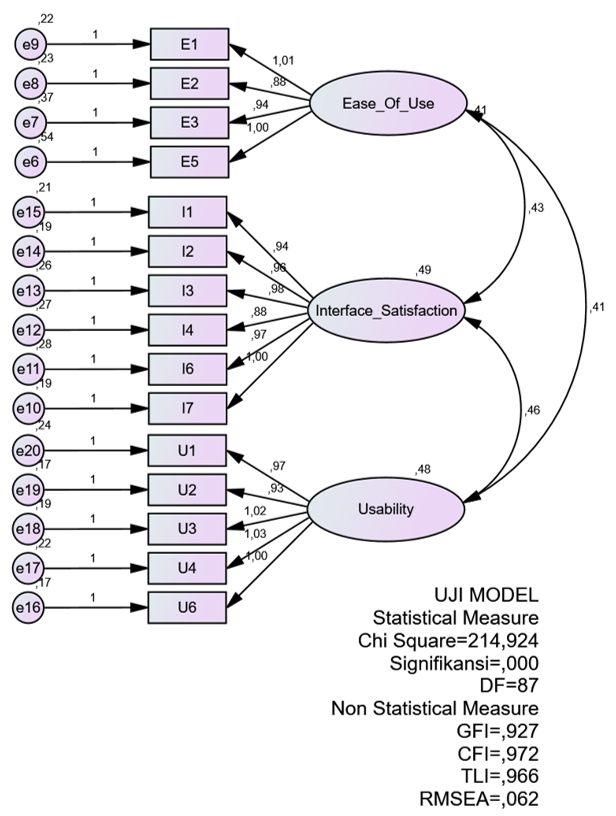
Figure 2. Results of the second modified model test (item deletion)
Based on Figure 2, the Model Fit Index includes the chi-square test, GFI, CFI, TLI, and RMSEA values. The Chi-Square test shows significant results (p<0.05), which usually indicates a mismatch between the model and the data. However, the Chi-Square test is sensitive to sample size, and with large samples, significant results are common even though the model fit is acceptable. A GFI value above 0.90 indicates a good fit of the model with the observed data. A GFI value of 0.927 indicates that this model fits the data well. A CFI value above 0.95 indicates a very good fit. A value of 0.972 indicates that the revised model has a very good fit, meaning that the hypothesized model accounts for the observed covariance structure. Like the CFI, a TLI value above 0.95 indicates a very good fit. A value of 0.966 indicates that this model is well-defined and provides a good representation of the data structure. RMSEA values below 0.06 indicate a good fit, while values between 0.06 and 0.08 indicate a fair fit. The RMSEA of 0.062 is within the acceptable range, indicating adequate fit for the population data.
For the model structure that includes loading factors, it shows that most of the loading factors (e.g., E1, E2, I1, I2, U1, U2, etc.) appear strong (above 0.80), indicating that the observed variables are well represented by their respective latent constructs (Ease of Use, Interface Satisfaction, and Usability). Loading factors approaching 1.00 (e.g., E3=1.00, U3=1.02) indicate that the items have a very strong correlation with the factors they represent. The inter-factor correlation, namely the correlation among the latent factors (Ease of Use, Interface Satisfaction, and Usability), is moderate to high (e.g., around 0.41-0.49). This indicates that although the constructs are interrelated, they measure somewhat different aspects of application usability. Measurement Error Terms: This model includes several error terms (e.g., e9, e8, e7) that capture measurement errors for each indicator. This error-covariance adjustment likely contributed to the improvement in the fit indices, as suggested in the previous recommendations.
Thus, it can be concluded that the revised model provides a good fit to the data, with most fit indices indicating that the model is appropriate and well-defined. The significant Chi-Square value is most likely due to sample size rather than model inadequacy, as CFI, TLI, and GFI show a good fit. Strong factor loadings indicate that the selected indicators are appropriate and valid in measuring the latent construct. Moderate correlations between factors indicate that each construct measures distinct aspects of usability and satisfaction with the application, which is useful for understanding how users perceive the application's different dimensions (Appendix 1).
Discussion
The results of this study indicate that adapting the Mobile Application Usability Questionnaire (MAUQ) instrument from Malay to Indonesian can measure user perceptions of the Mommy-Be application across three main dimensions: ease of use, interface satisfaction, and application usability. In the first model, several fit indices, such as CFI and TLI, indicate that the model is not fully supported by the data, suggesting a mismatch between the hypothesized factor structure and the empirical data. This finding aligns with a study by Lewis [19], which emphasized the importance of instrument validation using Confirmatory Factor Analysis to ensure that the items used truly reflect the constructs being measured.
Based on the Modification Indices analysis, several items showed unexpected error correlations with other items, which affected the model fit. Therefore, items such as E4, I5, and U5 were removed. This decision is consistent with the approach proposed by Zhou et al. [20], which emphasizes that removing items that are irrelevant or difficult for users to understand can improve model fit in evaluating mHealth applications. For example, item U5, which assesses the application's ability to function without an internet connection, was removed because the Mommy-Be application does require an internet connection to work. This is also in line with the research of Stoyanov et al. [21], which shows the importance of adjusting the instrument to the technological context and technical capabilities of the application being tested.
After modification, the second model showed significant improvements in fit indices, including CFI and TLI, which increased to 0.972 and 0.966, respectively. The RMSEA value of 0.062 also indicates that the model's error in estimating the data structure remains within an acceptable range. This increase indicates that the second model is more representative of user perceptions and better aligned with the Mommy-Be application trial conditions. Eliminating irrelevant items reduces data noise and yields a simpler yet robust model for measuring the application's usability dimensions. This finding supports the principle proposed by Davis [22]. The Technology Acceptance Model (TAM) states that perceived ease of use and usefulness are key factors in user acceptance of technology, also supported by other scholars in similar studies [23-26].
In addition, these results are relevant to studies conducted in several regions [27, 28], which highlighted that adapting instruments to local contexts can improve data quality and ensure that interventions are acceptable to users. Thus, this study not only successfully adapted the MAUQ instrument to the Indonesian context but also contributed to other researchers seeking to test new health applications in Indonesia. This study shows that thorough adaptation and validation of instruments are important steps to ensure that mHealth applications can be measured accurately within specific cultures and user needs.
The findings of this study can also be a reference for future research, especially in the context of developing mHealth applications in Indonesia. In future studies, researchers are encouraged to consider external factors, such as family support and health workers, which can influence perceptions and adoption of mHealth applications, as suggested by studies on specific health problems [29]. This approach is expected to enrich understanding of the factors influencing the successful implementation of health applications in Indonesia, as well as to provide insight into how applications can be designed to better meet the needs of local users.
The rapid proliferation of mobile technology presents a unique opportunity to overcome barriers in health management [30]. Information technology innovations are increasingly used to deliver health services and promote health, with mobile applications as one example [31]. The development of this concept involves many levels of intervention: a) at the policy level, b) at the organizational level, c) at the local level, d) by integrating familyresponsibilities on an interpersonal level, and e) at the individual level [32]. The use of digital technology is an innovative and comprehensive development [33]. The utilization technology in health interventions can help overcome disincentive factors and encourage individuals to manage their health [34]. The use of information technology in the health sector can help people access health services faster and more practically [35]. The application was found to be effective in increasing self-care ability in several health problems experienced [36].
Some limitations in conducting this test include limited trial time, geographical constraints, and reliance on an internet connection. This study involved only a two-week trial of the application, which may not be enough to fully understand how breastfeeding mothers interact with its features in the long term. This study was conducted only in Makassar City, South Sulawesi, so the results may not be generalizable to other areas with different user characteristics, such as rural residents. As an application that relies on internet connectivity, some respondents may face obstacles to accessing and using it optimally, which may affect their perception of its usefulness. For further research, it is expected to extend the trial period to several months to obtain a more comprehensive picture of the application's long-term use. Conducting research across multiple locations, both urban and rural, can yield more representative results on the adoption of the Mommy-Be application across different social and economic contexts. Given that the Mommy-Be application requires an internet connection, further research can explore the development of features that can be used offline. This is expected to increase the application's accessibility, especially in areas with limited internet access. Finally, it is recommended to examine external factors, such as family support and the role of health workers, to enrich understanding of the factors that influence the successful implementation of mHealth applications.
Conclusion
This study successfully adapted the Malay MAUQ instrument for Indonesia and evaluated the Mommy-Be application. Confirmatory Factor Analysis shows that the second modified model fits better than the first. The model's fit improved after removing irrelevant items, such as E4, I5, and U5, based on Modification Indices. Thus, the final model better described the Mommy-Be app user experience in the trial context.
Acknowledgments: The author thanked the participants in this study and the nurse managers who supported the data collection process.
Ethical Permissions: The study was reviewed and approved by the Ethics Committee, with the opinion and authorization referenced under Identification Number 192/STIKE-NH/KEPK/VII/2023.
Conflicts of Interests: No conflict of interest to declare.
Authors' Contribution: Syam A (First Author), Introduction Writer/Methodologist/Statistical Analyst (60%); Fadli F (Second Author), Main Researcher/Statistical Analyst (10%); Syam A (Third Author), Assistant Researcher/Statistical Analyst (10%); Amelia AR (Fourth Author), Introduction Writer (10%); Toaha A (Fifth Author), Assistant Researcher (10%)
Funding/Support: The complete funding for this project was provided by the Indonesian Ministry of Education, Culture, Research, and Technology, under the grant numbers 185/E5/PG.02.00.PL/2023 and 828/LL9/PK.00.PL/2023.
Breastfeeding is a key public health priority because it supports optimal infant growth and development, helps protect infants against infection [1-3], and benefits maternal health [4, 5]. Although exclusive breastfeeding for the first six months is strongly recommended, early discontinuation remains common. Mothers often face multiple interacting challenges, including perceived insufficient milk supply, difficulties with latch or milk expression, pain, fatigue, pressure to introduce formula, and return to work [6-9]. The quality and timeliness of breastfeeding counseling and social support can influence how mothers respond to these challenges. Therefore, interventions that provide accessible education and practical problem-solving support remain important.
Mobile health (mHealth) has become an increasingly important channel for delivering health education, self-management support, and behavior change interventions through smartphones and other mobile devices [1-5]. In maternal and child health, mobile applications are widely used to provide pregnancy and postpartum information, reminders, interactive learning materials, and peer support, complementing routine services [6, 7]. For breastfeeding mothers, timely, practical guidance is often needed outside clinic hours, and mHealth can offer low-cost, on-demand access to information and support. When apps are designed to fit mothers' needs and daily routines, they can strengthen confidence, reduce avoidable problems, and improve the continuity of recommended practices [7-9]. One application developed for this purpose is Mommy-Be [10], which aims to support breastfeeding mothers through digital application-based guidance specifically in the middle area of Indonesia.
In Indonesia, the development of maternal health and breastfeeding applications is expanding [10, 11], but usability evaluation is not always conducted using validated instruments. Some studies rely on generic tools such as the System Usability Scale (SUS) or on self-developed questionnaires and ad hoc items. Generic tools can support broad comparisons across software systems, but they may not fully capture usability aspects important to mHealth applications, such as usefulness for health-related tasks, satisfaction with the information layout, and support for behavior change in real-life settings [11]. Self-developed questionnaires can be tailored to a specific app, but without psychometric validation, their results are difficult to interpret and compare across studies.
Given Indonesia's diverse geography and varying access to health services, mobile applications may also help reduce inequities in information delivery. Mothers living in rural or remote areas may have fewer opportunities for in-person lactation counseling, and clinic visits can be limited by travel costs and time. At the same time, variation in smartphone experience and digital literacy means that applications must be intuitive and low-burden. An app that requires complex steps or uses unfamiliar terms may discourage use, especially among mothers who are already managing fatigue, household responsibilities, and infant care. For this reason, usability assessment is a critical step before recommending an app as part of a health promotion strategy.
Previous studies have shown that adopting mHealth applications often faces challenges in terms of usability and user satisfaction with the features offered [11, 12]. Therefore, a comprehensive evaluation is needed to measure the extent to which these applications can meet user needs and function well in certain contexts [13, 14]. To assess the usability of the Mommy-Be application, the Mobile Application Usability Questionnaire (MAUQ) instrument was used, previously developed by Zhou et al. [15] and translated into Malay [16] and adapted for use in Indonesia.
The mHealth App Usability Questionnaire (MAUQ) was developed to address the need for a reliable and valid instrument specifically designed for evaluating mHealth applications. The MAUQ provides four versions to match key usage contexts: Interactive versus standalone applications, and patient versus provider users. For the standalone patient version, the MAUQ comprises 18 items grouped into three dimensions: ease of use (5 items), interface and satisfaction (7 items), and usefulness (6 items). Items are rated on a 7-point Likert scale from 1 (strongly disagree) to 7 (strongly agree), where higher scores indicate better perceived usability. Previous validation studies reported good psychometric properties for the MAUQ, including strong internal consistency for the standalone version and evidence of construct and criterion validity.
MAUQ has been translated into other languages, such as Malay [16], which provides useful prior evidence and methodological foundation for adaptation. However, linguistic similarity does not guarantee measurement equivalence, and Indonesian users may interpret some items differently because of differences in expressions, culture, and the local app context. Establishing validity evidence in Indonesia is, therefore, necessary to ensure that the Indonesian MAUQ version measures the intended usability dimensions, supports reliable score interpretation, and enables meaningful comparisons across mHealth applications.
The MAUQ instrument was chosen for adaptation and translation into Indonesian because it offers advantages for measuring various aspects of mHealth application usability, including ease of use, satisfaction with the interface, and overall application usability. This instrument has been validated in several previous studies [15-18], including in the context of mHealth applications in Malaysia, thus providing a strong theoretical basis for use in a similar context in Indonesia. MAUQ is considered relevant for evaluating the Mommy-Be application because it covers important dimensions of the user experience when interacting with digital health applications. The process of adapting the MAUQ instrument to the Indonesian language was carried out with consideration of language and cultural differences to better describe the perceptions and experiences of Indonesian users. The selection of the MAUQ instrument was also based on its relevance to the experience of mHealth application users in Malaysia, which has cultural similarities with Indonesia, so this instrument is expected to be easier to adapt.
Nevertheless, translation alone is not sufficient when an instrument is applied in a new language and context. Cross-cultural adaptation is needed because literal translation may not preserve the same meaning, and because technology use patterns, digital literacy, and expectations about app features can differ between settings. For example, items referring to internet connectivity, the suitability of app use in social situations, or expectations about app functions may be interpreted differently depending on local infrastructure and the specific scope of the application being evaluated. A culturally adapted instrument can help ensure that usability scores reflect the intended constructs and support valid conclusions for decision-making and future development.
In response to the need for accessible breastfeeding support, we developed Mommy-Be, a mobile app that provides educational content and practical guidance to breastfeeding mothers in Indonesia. The application was designed to provide information and recommendations that mothers can use during everyday breastfeeding situations, including when professional support is not immediately available. Before broader implementation and potential scale-up, it is necessary to evaluate whether mothers can use the application effectively and comfortably, and whether the instrument used to assess usability is valid for this context.
Therefore, this pilot study aimed to adapt and validate the MAUQ for evaluating the usability of the Mommy-Be application among breastfeeding mothers in Indonesia. Specifically, we assessed the construct validity of the adapted MAUQ using Confirmatory Factor Analysis (CFA) and evaluated the adequacy of model fit in the Indonesian context. By providing initial validity evidence for the Indonesian version of the MAUQ, this study was expected to support future usability studies of mHealth applications and to guide the refinement of Mommy-Be to better fit users' needs.
Instrument and Methods
This descriptive instrument-based study was conducted from July to September 2023. Because the main psychometric analysis in this pilot study was a CFA, we followed the commonly used rule of thumb of at least 10 participants per item for factor analysis/validation studies. The standalone patient version of MAUQ contains 18 items; therefore, the minimum target sample was 180 participants (18 items x 10). To increase the stability of parameter estimates and to account for non-response and incomplete questionnaires, we invited 400 mothers. A total of 386 mothers completed the questionnaire and were included in the analysis.
The sample in this study consisted of breastfeeding mothers who used the Mommy-Be application. Participants were recruited from two Community Health Centers (Puskesmas) in Makassar City (Pattingaloang and Tamalate). Eligible participants were breastfeeding mothers with a smartphone who were willing to download and use Mommy-Be. Mothers who reported a prior diagnosis of mental disorders were excluded.
The Mobile Application Usability Questionnaire consists of 18 items to measure three dimensions: Ease of use, interface satisfaction, and application usability [16]. This research was conducted at several primary health centers in Makassar City, South Sulawesi, the location of the Mommy-Be application research project. The selection of this location was based on the potential and need for lactation support for breastfeeding mothers in the area. During the research, breastfeeding mothers in this village were supported in adapting to the Mommy-Be application. The adaptation process and pilot testing of this application lasted for two weeks. During this period, participants were given video tutorials on registering and navigating the application, as well as limited support from research assistants to help them use the application until they could master its features. After two weeks of use, participants were asked to complete a questionnaire to assess their experience with the Mommy-Be application. Mothers who responded to the request were then given a link to download the application along with installation instructions. This study does not set strict qualifications, as it is a pilot study for an application trial. What is certain is that mothers must have babies under two years old and be breastfeeding, be able to use Android-based applications, have an Android cellphone, and have never been recorded or diagnosed with mental disorders before.
The original MAUQ development study reported strong internal consistency for the standalone 18-item version (overall Cronbach alpha=0.914; Ease of use alpha=0.847; Interface and satisfaction alpha=0.908; Usefulness alpha=0.717) and evidence of construct and criterion validity [15]. The Malay validation study also demonstrated good validity evidence (content and face validity indices) and high internal consistency (Cronbach alpha for 18 items=0.946) [16]. In this pilot study, we evaluated the construct validity of the adapted Indonesian MAUQ using confirmatory factor analysis [17]. Each item was rated on a 7-point Likert scale from 1 (strongly disagree) to 7 (strongly agree). Subscale scores were calculated as the mean of the items within each dimension, and the overall usability score was calculated as the mean of all items. Higher scores indicated better perceived usability of the application.
The instrument used in this study was the mHealth App Usability Questionnaire (MAUQ) for standalone mHealth apps (patient version) [15], which we adapted into Indonesian based on the Malay MAUQ (M-MAUQ) [17] for the Mommy-Be application. The standalone patient MAUQ contains 18 items grouped into three dimensions: Ease of use (5 items), interface and satisfaction (7 items), and usefulness (6 items).
Data analysis
Confirmatory factor analysis (CFA) was conducted to evaluate the construct validity of the adapted MAUQ in the Mommy-Be context. CFA was performed using IBM SPSS AMOS. Model fit was assessed using multiple indices, including chi-square and degrees of freedom, Goodness-of-Fit Index (GFI), Comparative Fit Index (CFI), Tucker-Lewis Index (TLI), and the Root Mean Square Error of Approximation (RMSEA). As commonly applied in validation studies, acceptable fit was considered when CFI and TLI approached or exceeded 0.90, GFI approached or exceeded 0.90, and RMSEA was below approximately 0.08. When needed, model modification was guided by standard CFA diagnostics (e.g., modification indices) while maintaining conceptual consistency of the factors.
Findings
The majority of mothers were young to middle-aged and came from middle- to upper-socioeconomic classes, with education mostly at the diploma or bachelor's level. The composition of housewives and working mothers was almost balanced. Most mothers cared for very young babies, especially those aged 0-6 months, and most gave birth spontaneously. These data show a diverse population in terms of age, socio-economic status, education, and method of delivery, providing a good representation to understand the dynamics of breastfeeding mothers in this context (Table 1).
An initial CFA was conducted to test the 18-item, three-factor MAUQ structure for the Mommy-Be application. The initial model fit indices were Chi-Square=407.071, df=132, p<0.001, GFI=0.890, CFI=0.949, TLI=0.941, and RMSEA=0.073 (Figure 1). Based on the results of this model test, several items were found with high Modification Indices (MI), so it was deemed necessary to review the relationship between items and remove items that caused unnecessary error correlations. Given that this is the first model, some items may be less relevant to measuring the desired construct.
Table 1. Participant characteristics (n=386)
Figure 1. First model result of MAUQ adoption
In the early stages of this study, the first model was compiled using all items adapted from the MAUQ instrument to measure Ease of Use, Interface Satisfaction, and Usability of the Mommy-Be application. However, the results of the Confirmatory Factor Analysis on the initial model showed several fit indices that did not meet ideal criteria, although several indices were close to a good fit. Based on the MI results, several items were identified as sources of inconsistency in the model. These items had high MI, indicating unexpected error correlations with other items. For example, item E4, which assesses the application interface's ability to support all functions; item I5, which measures the suitability of the time spent using the application; and item U5, which assesses the application's ability to function without an internet connection. After considering the real conditions of the Mommy-Be application, these items were considered less relevant to measure in this context, due to the limitations of the application that cannot function without an internet connection, as well as the usage time, which tends to be longer because the application is still in the early trial stage.
Here are some strong reasons why items related to the Mommy-Be application were deleted: Deletion of Item E4: "The app's interface allowed me to use all the functions offered by the app": This item was considered irrelevant in the context of the Mommy-Be application trial because some of the application's functions could not be fully explored by breastfeeding mothers during the short trial period. For example, several baby growth-monitoring menus and periodic postpartum depression screening features in the application have not been fully explored by users in the limited time available. Deleting this item is expected to improve model fit because items that are not fully relevant or that respondents cannot answer well can increase error variability and interfere with the representation of the factors being measured.
Deletion of Item I5: “The amount of time involved in using this app has been fitting for me.” Given that the Mommy-Be app is new, the time it takes breastfeeding mothers to learn and use it may be longer than they expected. Therefore, the question of the appropriateness of the time required to use this app may be less relevant to measure in the early stages of app introduction. Deleting this item is expected to help reduce data noise caused by users’ perceptions of the time required to learn a new app. This, in turn, improves the model fit as only more appropriate and relevant items remain to measure Interface Satisfaction.
Removal of Item U5: "I could use the app even when the Internet connection was poor or unavailable": One of the main limitations of the Mommy-Be app is its reliance on an Internet connection. Given that the app was not designed to function offline, this item is not relevant to the actual user experience. Asking about the app's ability to function without an Internet connection could lead to a mismatch between user perceptions and app performance. Removing this item from the Usability factors is expected to help align the measurements with the app's actual technical capabilities, thereby reducing model mismatch. This allows the model to focus more on usability aspects relevant to the app's context of use.
These items were removed because they did not reflect the actual conditions and user experiences during the application trial. This is important to ensure that the remaining items truly reflect the user's perception of the application's usability, not external factors such as technical limitations or limited time. Removing irrelevant items is expected to reduce variability caused by inaccurate perceptions, thereby allowing the model to better measure the constructs of Ease of Use, Interface Satisfaction, and Usability. Thus, the model fit value increases because the model is a better representative of the existing data.
After model diagnostics, two items (I5 and U5) were removed, and the CFA was re-estimated. The modified 16-item model retained three factors (Ease of Use: 4 items; Interface and Satisfaction: 6 items; Usefulness: 5 items) and showed improved fit: Chi-square=255.712, df=101, p<0.001, GFI=0.925, CFI=0.972, TLI=0.966, and RMSEA=0.062 (Figure 2).
Figure 2. Results of the second modified model test (item deletion)
Based on Figure 2, the Model Fit Index includes the chi-square test, GFI, CFI, TLI, and RMSEA values. The Chi-Square test shows significant results (p<0.05), which usually indicates a mismatch between the model and the data. However, the Chi-Square test is sensitive to sample size, and with large samples, significant results are common even though the model fit is acceptable. A GFI value above 0.90 indicates a good fit of the model with the observed data. A GFI value of 0.927 indicates that this model fits the data well. A CFI value above 0.95 indicates a very good fit. A value of 0.972 indicates that the revised model has a very good fit, meaning that the hypothesized model accounts for the observed covariance structure. Like the CFI, a TLI value above 0.95 indicates a very good fit. A value of 0.966 indicates that this model is well-defined and provides a good representation of the data structure. RMSEA values below 0.06 indicate a good fit, while values between 0.06 and 0.08 indicate a fair fit. The RMSEA of 0.062 is within the acceptable range, indicating adequate fit for the population data.
For the model structure that includes loading factors, it shows that most of the loading factors (e.g., E1, E2, I1, I2, U1, U2, etc.) appear strong (above 0.80), indicating that the observed variables are well represented by their respective latent constructs (Ease of Use, Interface Satisfaction, and Usability). Loading factors approaching 1.00 (e.g., E3=1.00, U3=1.02) indicate that the items have a very strong correlation with the factors they represent. The inter-factor correlation, namely the correlation among the latent factors (Ease of Use, Interface Satisfaction, and Usability), is moderate to high (e.g., around 0.41-0.49). This indicates that although the constructs are interrelated, they measure somewhat different aspects of application usability. Measurement Error Terms: This model includes several error terms (e.g., e9, e8, e7) that capture measurement errors for each indicator. This error-covariance adjustment likely contributed to the improvement in the fit indices, as suggested in the previous recommendations.
Thus, it can be concluded that the revised model provides a good fit to the data, with most fit indices indicating that the model is appropriate and well-defined. The significant Chi-Square value is most likely due to sample size rather than model inadequacy, as CFI, TLI, and GFI show a good fit. Strong factor loadings indicate that the selected indicators are appropriate and valid in measuring the latent construct. Moderate correlations between factors indicate that each construct measures distinct aspects of usability and satisfaction with the application, which is useful for understanding how users perceive the application's different dimensions (Appendix 1).
Discussion
The results of this study indicate that adapting the Mobile Application Usability Questionnaire (MAUQ) instrument from Malay to Indonesian can measure user perceptions of the Mommy-Be application across three main dimensions: ease of use, interface satisfaction, and application usability. In the first model, several fit indices, such as CFI and TLI, indicate that the model is not fully supported by the data, suggesting a mismatch between the hypothesized factor structure and the empirical data. This finding aligns with a study by Lewis [19], which emphasized the importance of instrument validation using Confirmatory Factor Analysis to ensure that the items used truly reflect the constructs being measured.
Based on the Modification Indices analysis, several items showed unexpected error correlations with other items, which affected the model fit. Therefore, items such as E4, I5, and U5 were removed. This decision is consistent with the approach proposed by Zhou et al. [20], which emphasizes that removing items that are irrelevant or difficult for users to understand can improve model fit in evaluating mHealth applications. For example, item U5, which assesses the application's ability to function without an internet connection, was removed because the Mommy-Be application does require an internet connection to work. This is also in line with the research of Stoyanov et al. [21], which shows the importance of adjusting the instrument to the technological context and technical capabilities of the application being tested.
After modification, the second model showed significant improvements in fit indices, including CFI and TLI, which increased to 0.972 and 0.966, respectively. The RMSEA value of 0.062 also indicates that the model's error in estimating the data structure remains within an acceptable range. This increase indicates that the second model is more representative of user perceptions and better aligned with the Mommy-Be application trial conditions. Eliminating irrelevant items reduces data noise and yields a simpler yet robust model for measuring the application's usability dimensions. This finding supports the principle proposed by Davis [22]. The Technology Acceptance Model (TAM) states that perceived ease of use and usefulness are key factors in user acceptance of technology, also supported by other scholars in similar studies [23-26].
In addition, these results are relevant to studies conducted in several regions [27, 28], which highlighted that adapting instruments to local contexts can improve data quality and ensure that interventions are acceptable to users. Thus, this study not only successfully adapted the MAUQ instrument to the Indonesian context but also contributed to other researchers seeking to test new health applications in Indonesia. This study shows that thorough adaptation and validation of instruments are important steps to ensure that mHealth applications can be measured accurately within specific cultures and user needs.
The findings of this study can also be a reference for future research, especially in the context of developing mHealth applications in Indonesia. In future studies, researchers are encouraged to consider external factors, such as family support and health workers, which can influence perceptions and adoption of mHealth applications, as suggested by studies on specific health problems [29]. This approach is expected to enrich understanding of the factors influencing the successful implementation of health applications in Indonesia, as well as to provide insight into how applications can be designed to better meet the needs of local users.
The rapid proliferation of mobile technology presents a unique opportunity to overcome barriers in health management [30]. Information technology innovations are increasingly used to deliver health services and promote health, with mobile applications as one example [31]. The development of this concept involves many levels of intervention: a) at the policy level, b) at the organizational level, c) at the local level, d) by integrating familyresponsibilities on an interpersonal level, and e) at the individual level [32]. The use of digital technology is an innovative and comprehensive development [33]. The utilization technology in health interventions can help overcome disincentive factors and encourage individuals to manage their health [34]. The use of information technology in the health sector can help people access health services faster and more practically [35]. The application was found to be effective in increasing self-care ability in several health problems experienced [36].
Some limitations in conducting this test include limited trial time, geographical constraints, and reliance on an internet connection. This study involved only a two-week trial of the application, which may not be enough to fully understand how breastfeeding mothers interact with its features in the long term. This study was conducted only in Makassar City, South Sulawesi, so the results may not be generalizable to other areas with different user characteristics, such as rural residents. As an application that relies on internet connectivity, some respondents may face obstacles to accessing and using it optimally, which may affect their perception of its usefulness. For further research, it is expected to extend the trial period to several months to obtain a more comprehensive picture of the application's long-term use. Conducting research across multiple locations, both urban and rural, can yield more representative results on the adoption of the Mommy-Be application across different social and economic contexts. Given that the Mommy-Be application requires an internet connection, further research can explore the development of features that can be used offline. This is expected to increase the application's accessibility, especially in areas with limited internet access. Finally, it is recommended to examine external factors, such as family support and the role of health workers, to enrich understanding of the factors that influence the successful implementation of mHealth applications.
Conclusion
This study successfully adapted the Malay MAUQ instrument for Indonesia and evaluated the Mommy-Be application. Confirmatory Factor Analysis shows that the second modified model fits better than the first. The model's fit improved after removing irrelevant items, such as E4, I5, and U5, based on Modification Indices. Thus, the final model better described the Mommy-Be app user experience in the trial context.
Acknowledgments: The author thanked the participants in this study and the nurse managers who supported the data collection process.
Ethical Permissions: The study was reviewed and approved by the Ethics Committee, with the opinion and authorization referenced under Identification Number 192/STIKE-NH/KEPK/VII/2023.
Conflicts of Interests: No conflict of interest to declare.
Authors' Contribution: Syam A (First Author), Introduction Writer/Methodologist/Statistical Analyst (60%); Fadli F (Second Author), Main Researcher/Statistical Analyst (10%); Syam A (Third Author), Assistant Researcher/Statistical Analyst (10%); Amelia AR (Fourth Author), Introduction Writer (10%); Toaha A (Fifth Author), Assistant Researcher (10%)
Funding/Support: The complete funding for this project was provided by the Indonesian Ministry of Education, Culture, Research, and Technology, under the grant numbers 185/E5/PG.02.00.PL/2023 and 828/LL9/PK.00.PL/2023.
References
1. Chib A, Lin SH. Theoretical advancements in mHealth: A systematic review of mobile apps. J Health Commun. 2018;23(10-11):909-55. [Link] [DOI:10.1080/10810730.2018.1544676]
2. Lin TT, Bautista JR. Understanding the relationships between mHealth apps' characteristics, trialability, and mHealth literacy. J Health Commun. 2017;22(4):346-54. [Link] [DOI:10.1080/10810730.2017.1296508]
3. Bt Wan Mohamed Radzi CWJ, Salarzadeh Jenatabadi H, Samsudin N. mHealth apps assessment among postpartum women with obesity and depression. Healthcare. 2020;8(2):72. [Link] [DOI:10.3390/healthcare8020072]
4. Powell AC, Torous J, Chan S, Raynor GS, Shwarts E, Shanahan M, et al. Interrater reliability of mHealth app rating measures: Analysis of top depression and smoking cessation apps. JMIR Mhealth Uhealth. 2016;4(1):e15. [Link] [DOI:10.2196/mhealth.5176]
5. Latour C, O'Byrne L, McCarthy M, Chacko R, Russell E, Price RK. Improving mental health in U.S. Veterans using mHealth tools: A pilot study. Health Informatics J. 2020;26(4):3201-14. [Link] [DOI:10.1177/1460458220954613]
6. Schindler-Ruwisch JM, Roess A, Robert RC, Napolitano MA, Chiang S. Social support for breastfeeding in the era of mHealth: A content analysis. J Hum Lact. 2018;34(3):543-55. [Link] [DOI:10.1177/0890334418773302]
7. Laws RA, Cheng H, Rossiter C, Kuswara K, Markides BR, Size D, et al. Perinatal support for breastfeeding using mHealth: A mixed methods feasibility study of the My Baby Now app. Matern Child Nutr. 2023;19(2):e13482. [Link] [DOI:10.1111/mcn.13482]
8. Qian J, Wu T, Lv M, Fang Z, Chen M, Zeng Z, et al. The value of mobile health in improving breastfeeding outcomes among perinatal or postpartum women: Systematic review and meta-analysis of randomized controlled trials. JMIR Mhealth Uhealth. 2021;9(7):e26098. [Link] [DOI:10.2196/26098]
9. Padró-Arocas A, Quifer-Rada P, Aguilar-Camprubí L, Mena-Tudela D. Description of an mHealth tool for breastfeeding support: LactApp. Analysis of how lactating mothers seek support at critical breastfeeding points and according to their infant's age. Res Nurs Health. 2021;44(1):173-86. [Link] [DOI:10.1002/nur.22095]
10. Syam A, Dewi I, Firawati F. Usability study of the mommy-be app: Exploring the experience of breastfeeding mothers in eastern Indonesia. REVISTA DE GESTÃO SOCIAL E AMBIENTAL. 2024;18(3):e05253. [Link] [DOI:10.24857/rgsa.v18n3-089]
11. Liew MS, Zhang J, See J, Ong YL. Usability challenges for health and wellness mobile apps: Mixed-methods study among mHealth experts and consumers. JMIR Mhealth Uhealth. 2019;7(1):e12160. [Link] [DOI:10.2196/12160]
12. Alam MZ, Hoque MdR, Hu W, Barua Z. Factors influencing the adoption of mHealth services in a developing country: A patient-centric study. Int J Inf Manag. 2020;50:128-43. [Link] [DOI:10.1016/j.ijinfomgt.2019.04.016]
13. Aamir J, Ali SM, Kamel Boulos MN, Anjum N, Ishaq M. Enablers and inhibitors: A review of the situation regarding mHealth adoption in low- and middle-income countries. Health Policy Technol. 2018;7(1):88-97. [Link] [DOI:10.1016/j.hlpt.2017.11.005]
14. Feroz A, Perveen S, Aftab W. Role of mHealth applications for improving antenatal and postnatal care in low and middle income countries: A systematic review. BMC Health Serv Res. 2017;17(1):704. [Link] [DOI:10.1186/s12913-017-2664-7]
15. Zhou L, Bao J, Setiawan IMA, Saptono A, Parmanto B. The mHealth app usability questionnaire (MAUQ): Development and validation study. JMIR Mhealth Uhealth. 2019;7(4):e11500. [Link] [DOI:10.2196/11500]
16. Mustafa N, Safii NS, Jaffar A, Sani NS, Mohamad MI, Abd Rahman AH, et al. Malay version of the mHealth app usability questionnaire (M-MAUQ): Translation, adaptation, and validation study. JMIR Mhealth Uhealth. 2021;9(2):e24457. [Link] [DOI:10.2196/24457]
17. Shan Y, Ji M, Xie W, Li R, Qian X, Zhang X, et al. Chinese version of the mobile health app usability questionnaire: Translation, adaptation, and validation study. JMIR Form Res. 2022;6(7):e37933. [Link] [DOI:10.2196/37933]
18. Moorthy P, Weinert L, Harms BC, Anders C, Siegel F. German version of the mHealth app usability questionnaire in a cohort of patients with cancer: Translation and validation study. JMIR Hum Factors. 2023;10:e51090. [Link] [DOI:10.2196/51090]
19. Lewis JR. The system usability scale: Past, present, and future. Int J Hum Comput Interact. 2018;34(7):577-90. [Link] [DOI:10.1080/10447318.2018.1455307]
20. Zhou L, Bao J, Watzlaf V, Parmanto B. Barriers to and facilitators of the use of mobile health apps from a security perspective: Mixed-methods study. JMIR Mhealth Uhealth. 2019;7(4):e11223. [Link] [DOI:10.2196/11223]
21. Stoyanov SR, Hides L, Kavanagh DJ, Wilson H. Development and validation of the user version of the mobile application rating scale (uMARS). JMIR Mhealth Uhealth. 2016;4(2). [Link] [DOI:10.2196/mhealth.5849]
22. Davis FD. Perceived usefulness, perceived ease of use, and user acceptance of information technology. MIS Q. 1989;13(3):319-40. [Link] [DOI:10.2307/249008]
23. Venkatesh V, Thong JYL, Xu X. Consumer acceptance and use of information technology: Extending the unified theory of acceptance and use of technology. MIS Q. 2012;36(1):157-78. [Link] [DOI:10.2307/41410412]
24. Kamal SA, Shafiq M, Kakria P. Investigating acceptance of telemedicine services through an extended technology acceptance model (TAM). Technol Soc. 2020;60:101212. [Link] [DOI:10.1016/j.techsoc.2019.101212]
25. Rajak M, Shaw K. An extension of technology acceptance model for mHealth user adoption. Technol Soc. 2021;67:101800. [Link] [DOI:10.1016/j.techsoc.2021.101800]
26. Wallace LG, Sheetz SD. The adoption of software measures: A technology acceptance model (TAM) perspective. Inf Manag. 2014;51(2):249-59. [Link] [DOI:10.1016/j.im.2013.12.003]
27. Almohanna AA, Win KT, Meedya S. Effectiveness of internet-based electronic technology interventions on breastfeeding outcomes: Systematic review. J Med Internet Res. 2020;22(5):e17361. [Link] [DOI:10.2196/17361]
28. Lau Y, Htun TP, Tam WSW, Klainin‐Yobas P. Efficacy of e‐technologies in improving breastfeeding outcomes among perinatal women: A meta‐analysis. Matern Child Nutr. 2016;12(3):381-401. [Link] [DOI:10.1111/mcn.12202]
29. Whittaker R, McRobbie H, Bullen C, Rodgers A, Gu Y. Mobile phone-based interventions for smoking cessation. Cochrane Database Syst Rev. 2016;4(4):CD006611. [Link] [DOI:10.1002/14651858.CD006611.pub4]
30. Hasan DS, Arief YS, Krisnana I. Mobile application intervention to improve nutritional literacy of mothers with stunting children: A systematic review. Pediomatern Nurs J. 2024;10(2):70-5. [Link] [DOI:10.20473/pmnj.v10i2.47436]
31. Pratiwi R, Atmaka DR, Sutoyo DAR, Mahmudiono T. The effectiveness of smartphone-based nutrition education intervention in successful practice of exclusively breastfeeding: A meta-analysis. AMERTA Nut. 2023;7(4):615-25. [Link] [DOI:10.20473/amnt.v7i4.2023.615-625]
32. Amalia R, Indriani D, Laili U, Windarti Y, Nisa F. The KIA book's digitalization as a means to educate breastfeeding and postpartum moms on their children's health. South East Eur J Public Health. 2024;23(3):487-91. [Link] [DOI:10.70135/seejph.vi.878]
33. Dahoklory DF, Haryanto J, Indarwati R. The application of digital health as a nursing solution for leprosy patients during the COVID-19 pandemic: A systematic review. J Pak Med Assoc. 2023;73(Suppl 2):S170-4. [Link] [DOI:10.47391/JPMA.Ind-S2-38]
34. Pratiwi LD, Haryanto J, Wahyudi AS. The effect of foot self care and diabetes self-management mobile application in preventing foot ulcer recurrence: A systematic review study. Malays J Med Health Sci. 2023;19:109-16. [Link]
35. Astani NMMW, Ati NLPAP, Ernawaty. Analysis of acceptance of e-health application by users in primary healthcare center in Surabaya city. Indones J Public Health. 2021;16(1):66-78. [Link] [DOI:10.20473/ijph.v16i1.2021.66-78]
36. Purwanto CR, Sukartini T, Bakar A, Devy SR. Increasing self-care of patients with type 2 diabetes through the implementation of a nursing agency based on the health promotion model. J Pak Med Assoc. 2023;73(Suppl 2):S13004. [Link] [DOI:10.47391/JPMA.Ind-S2-31]
Send email to the article author